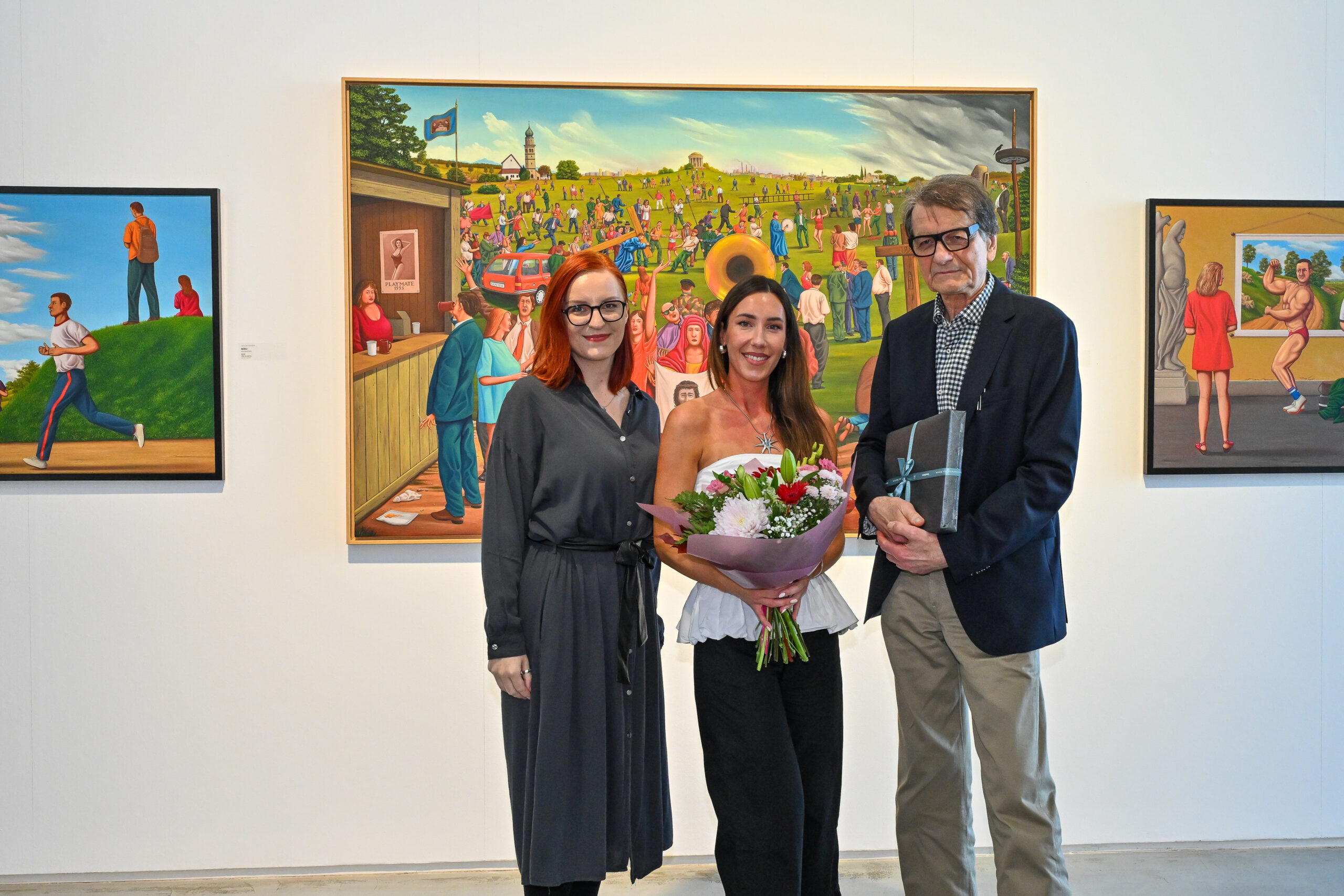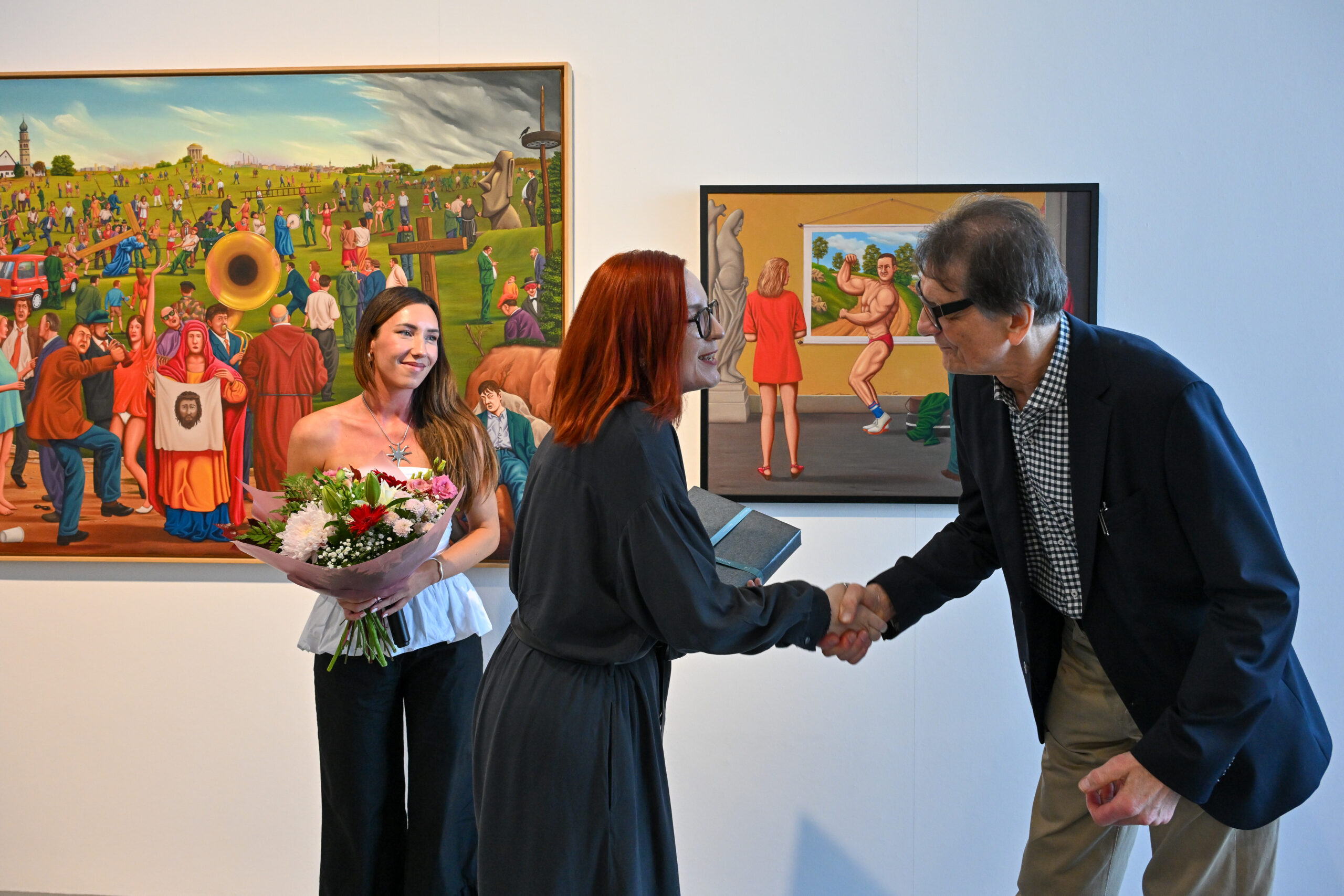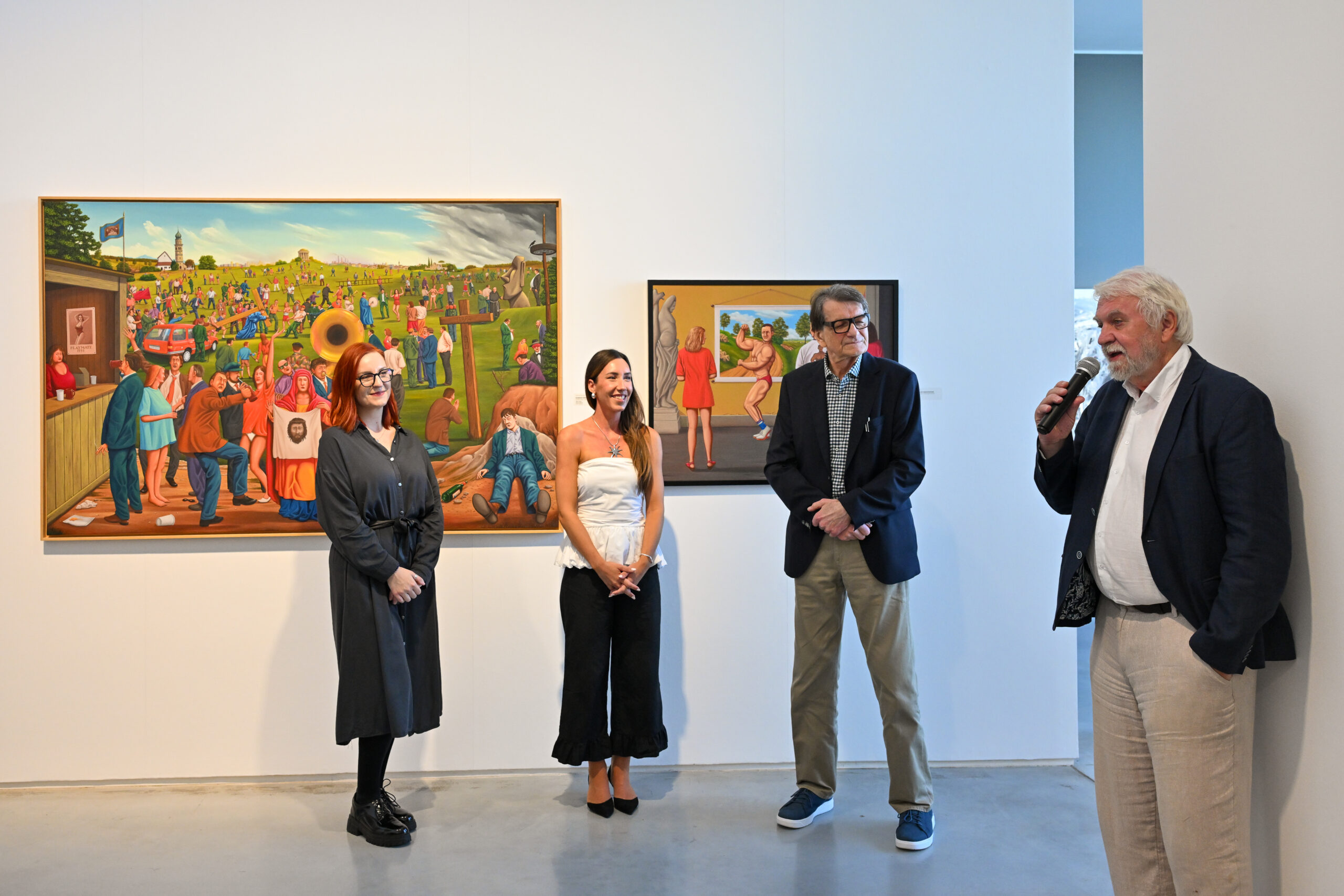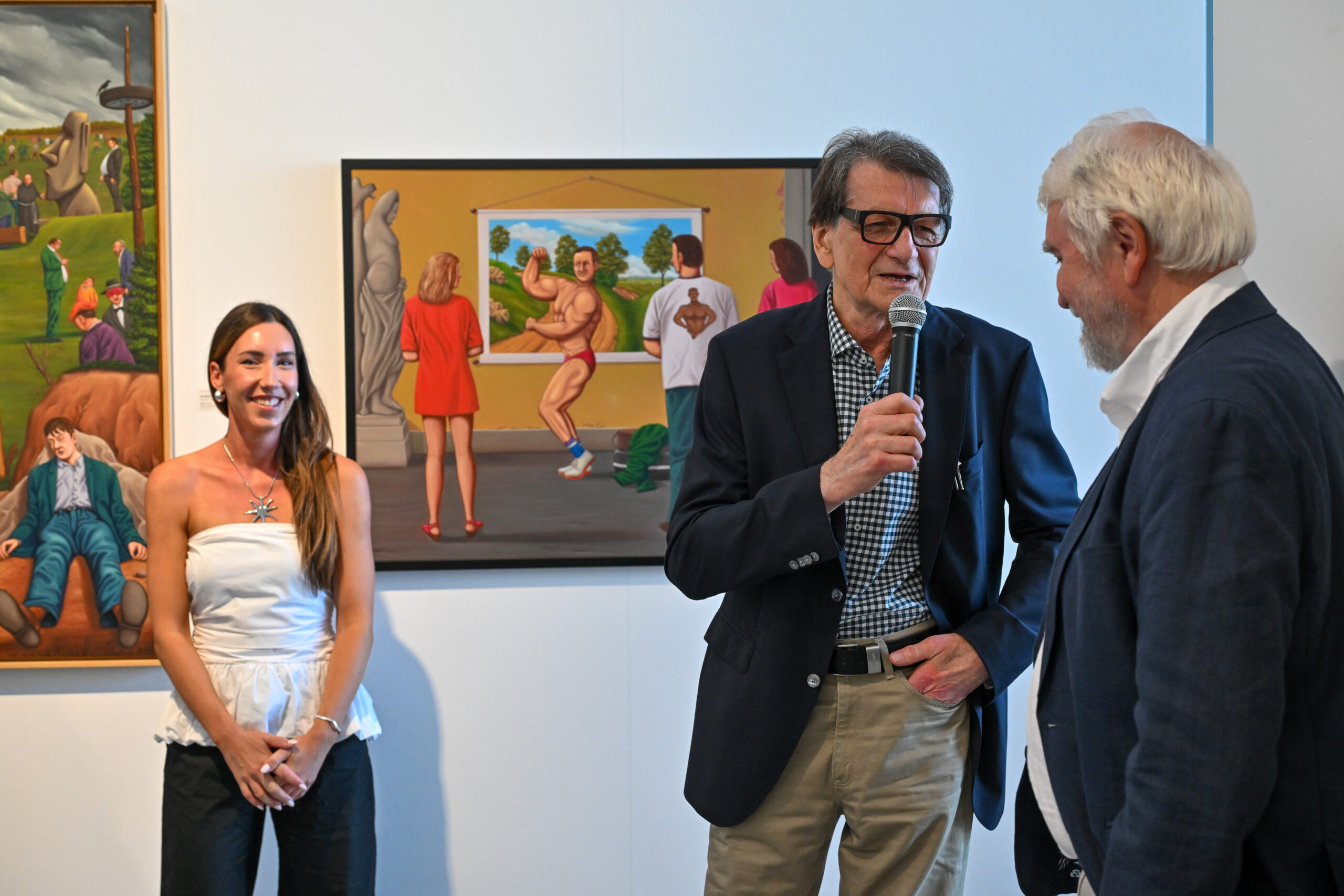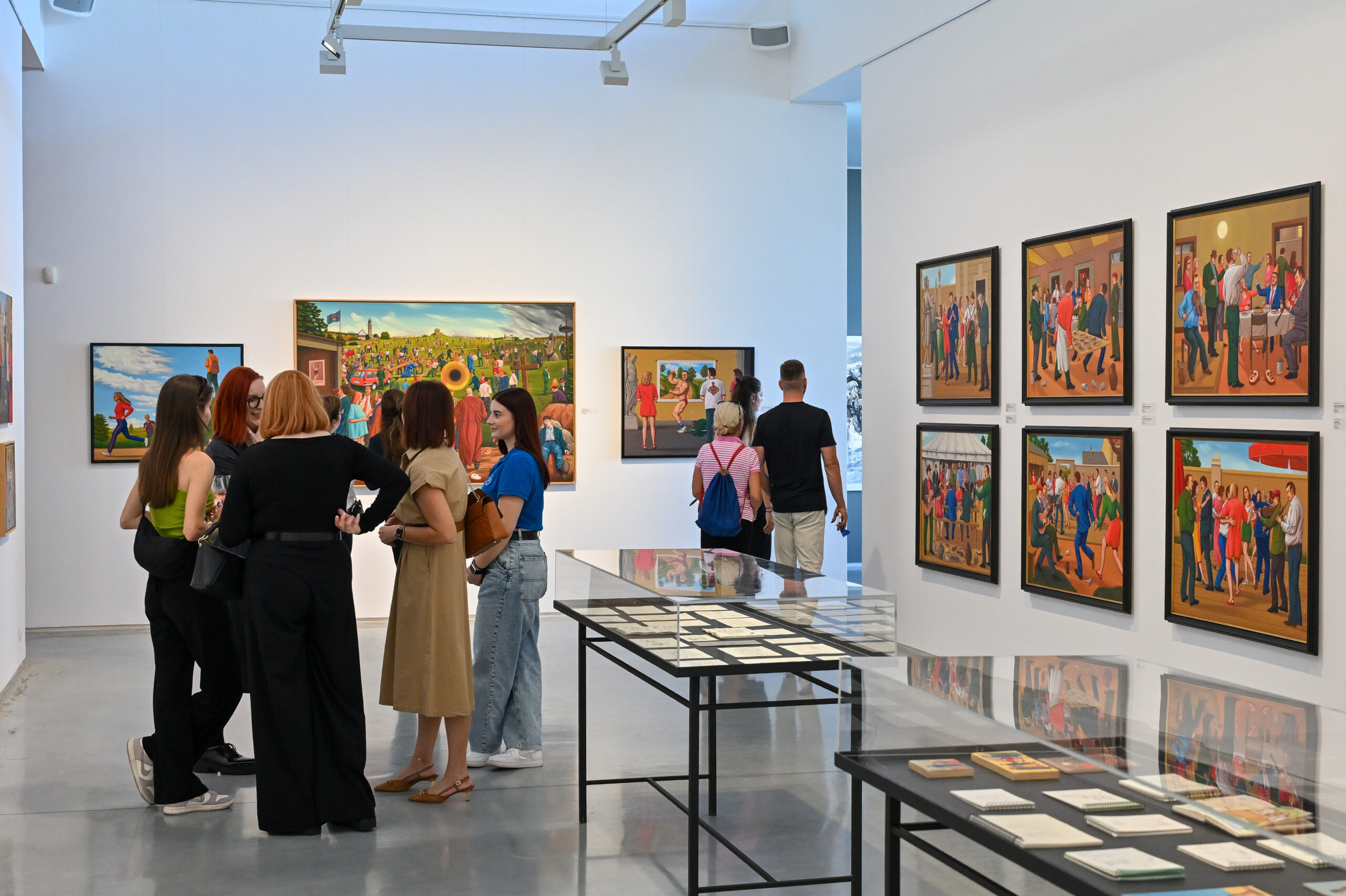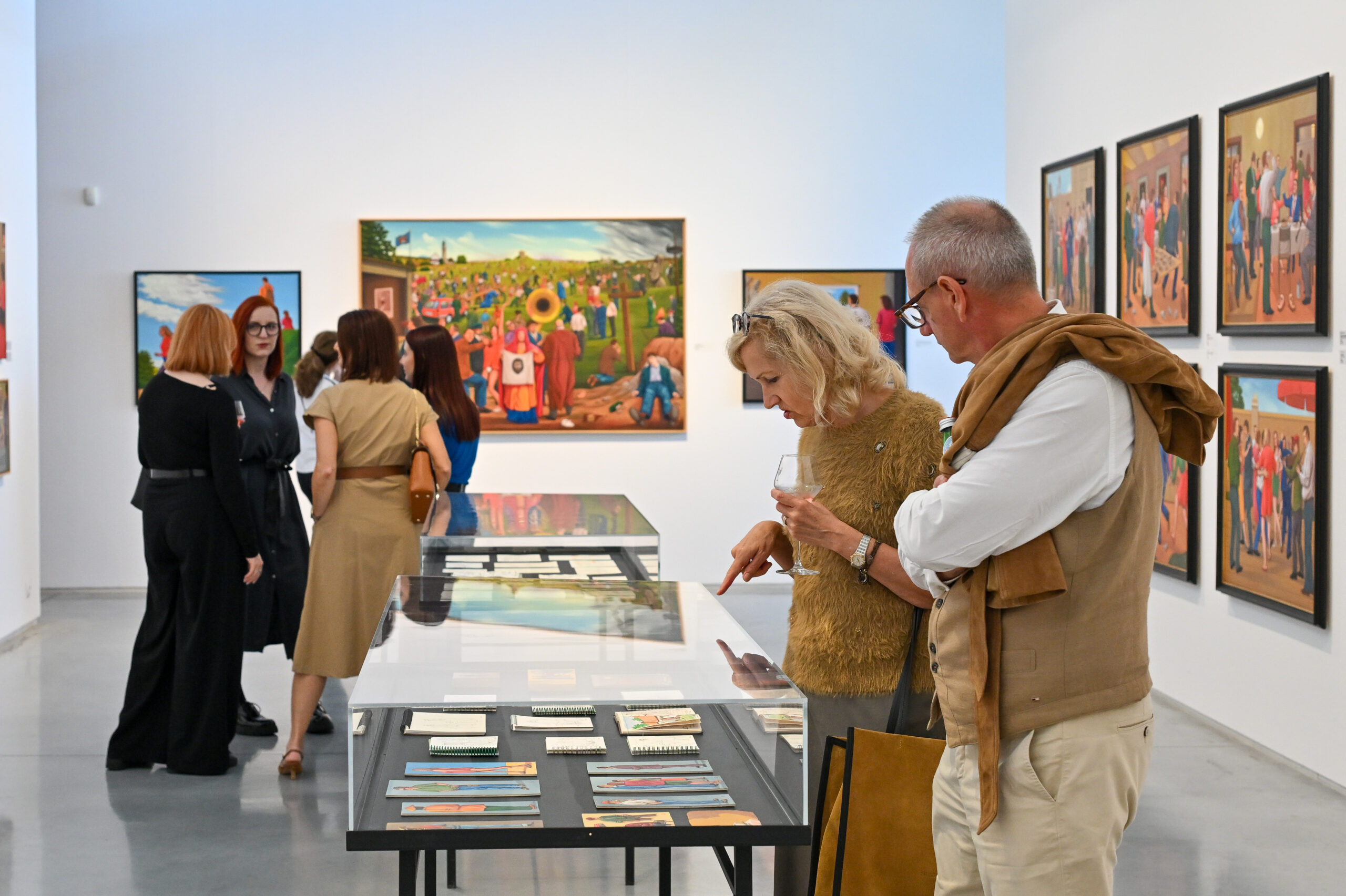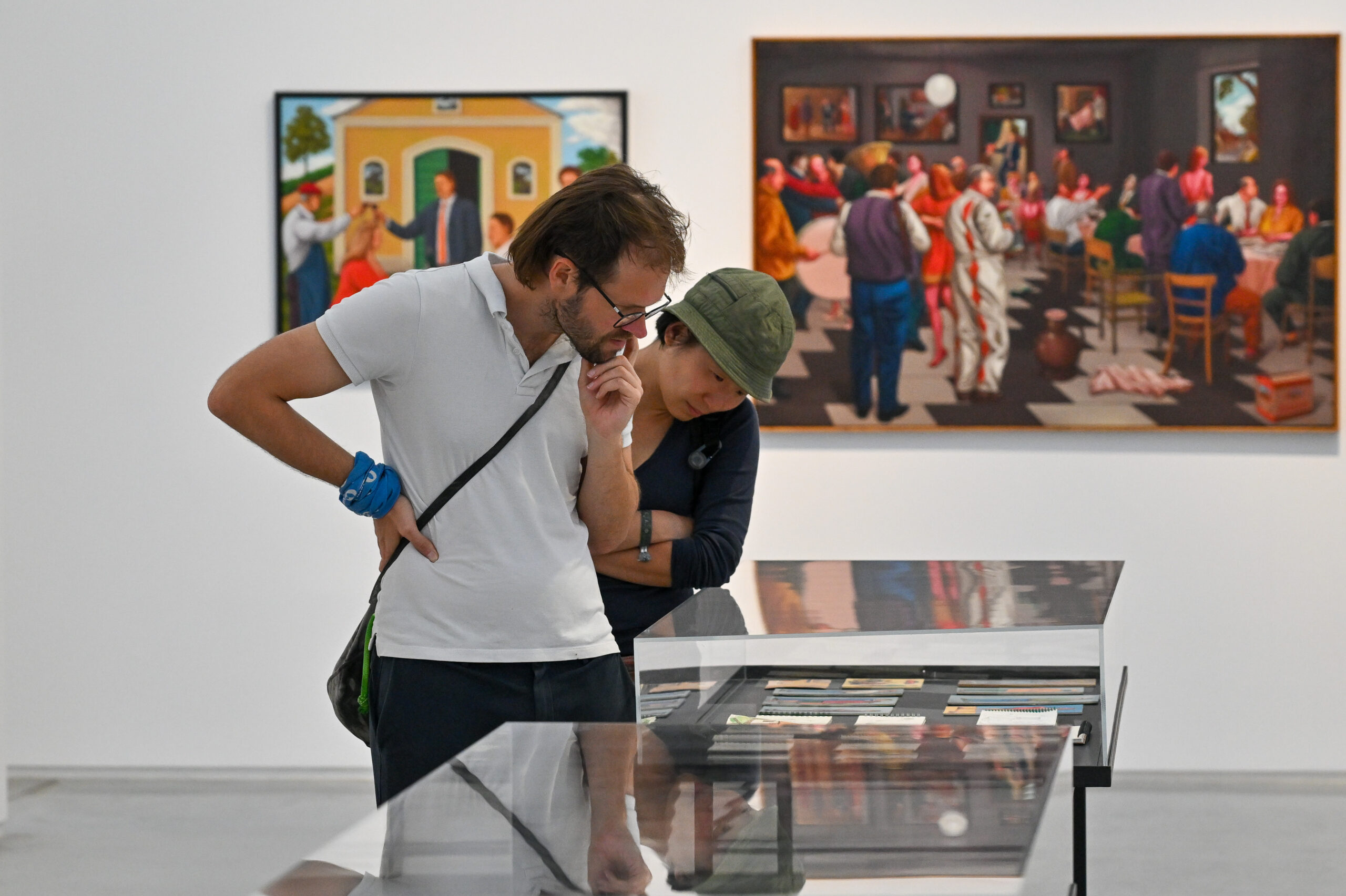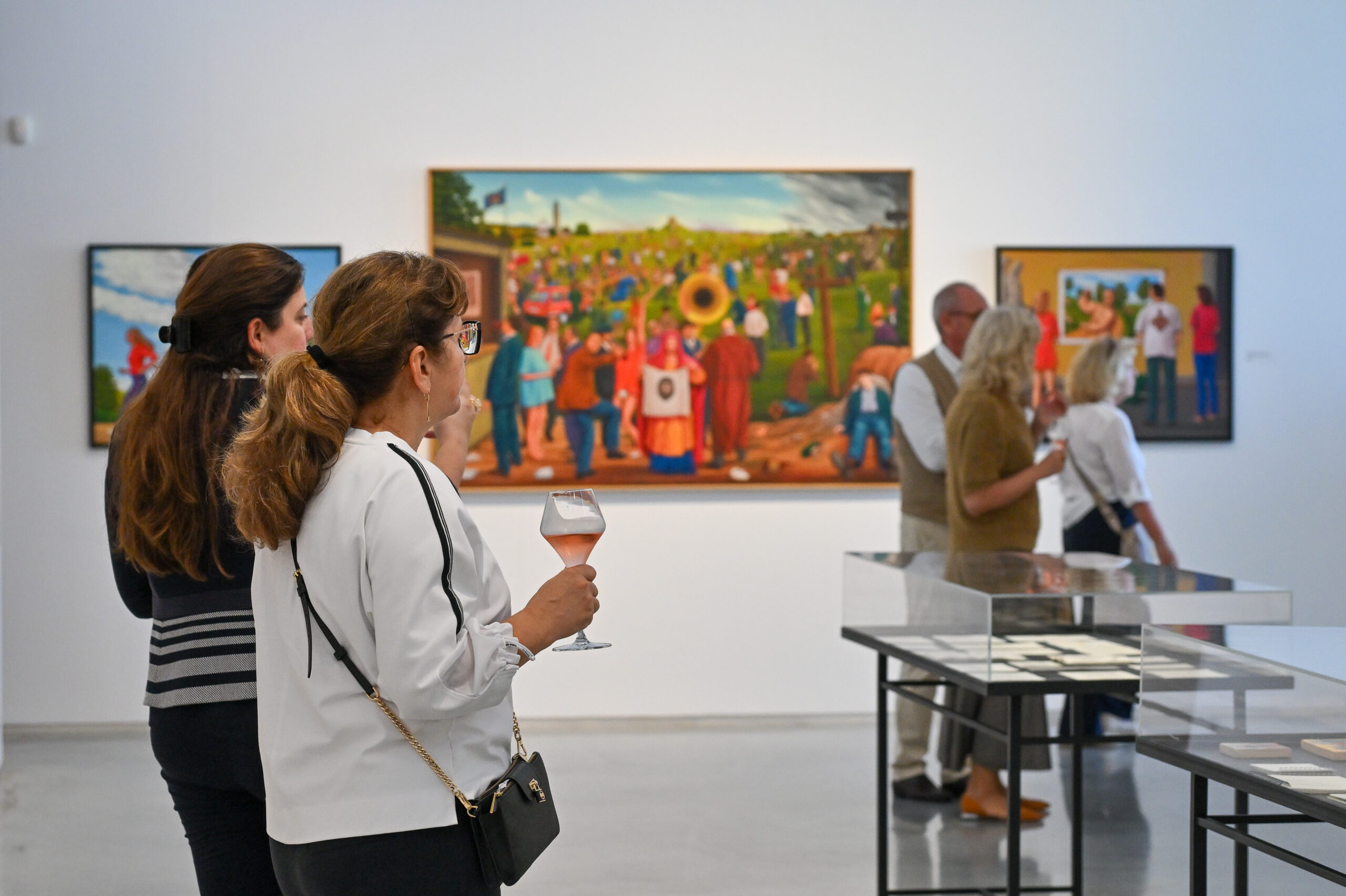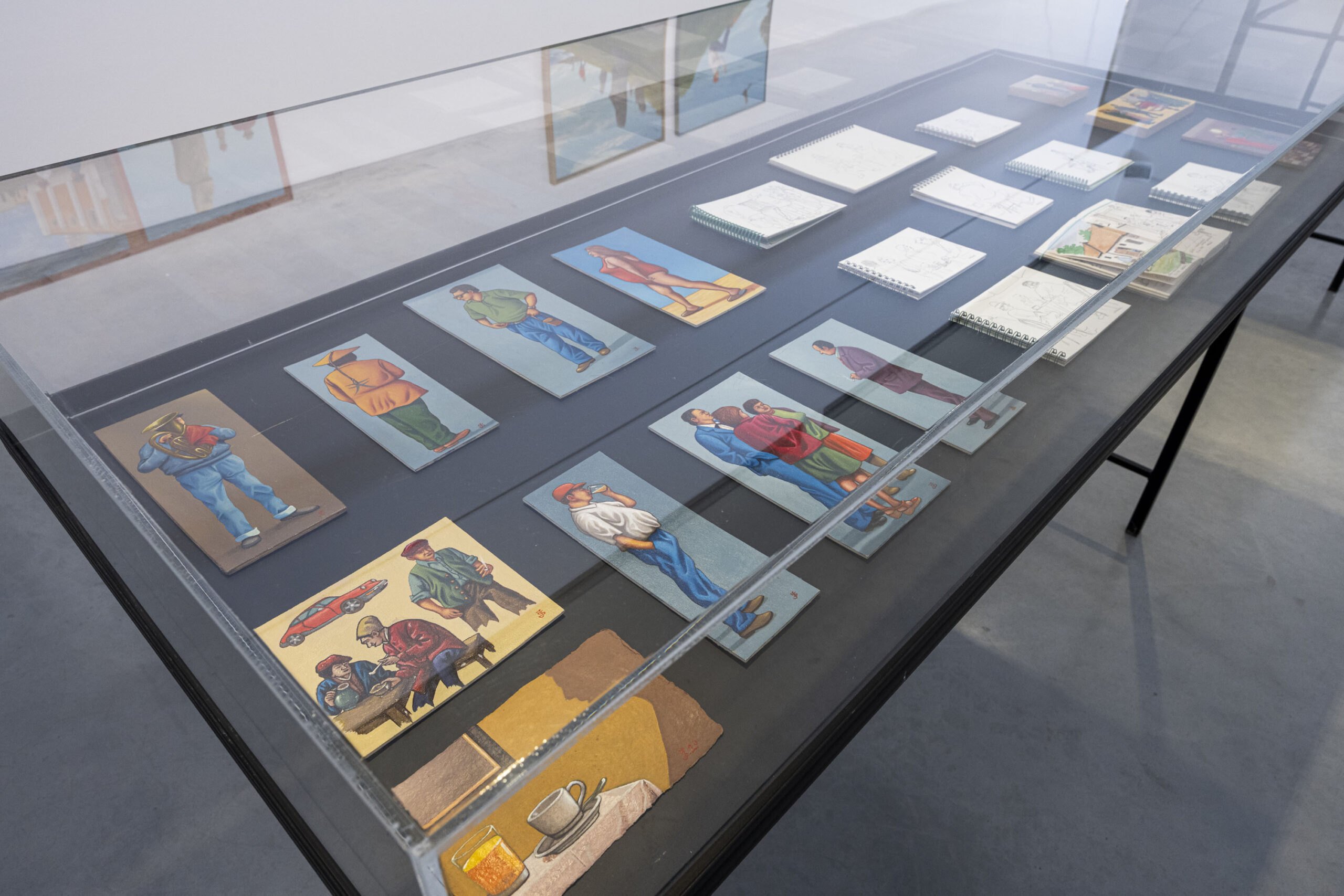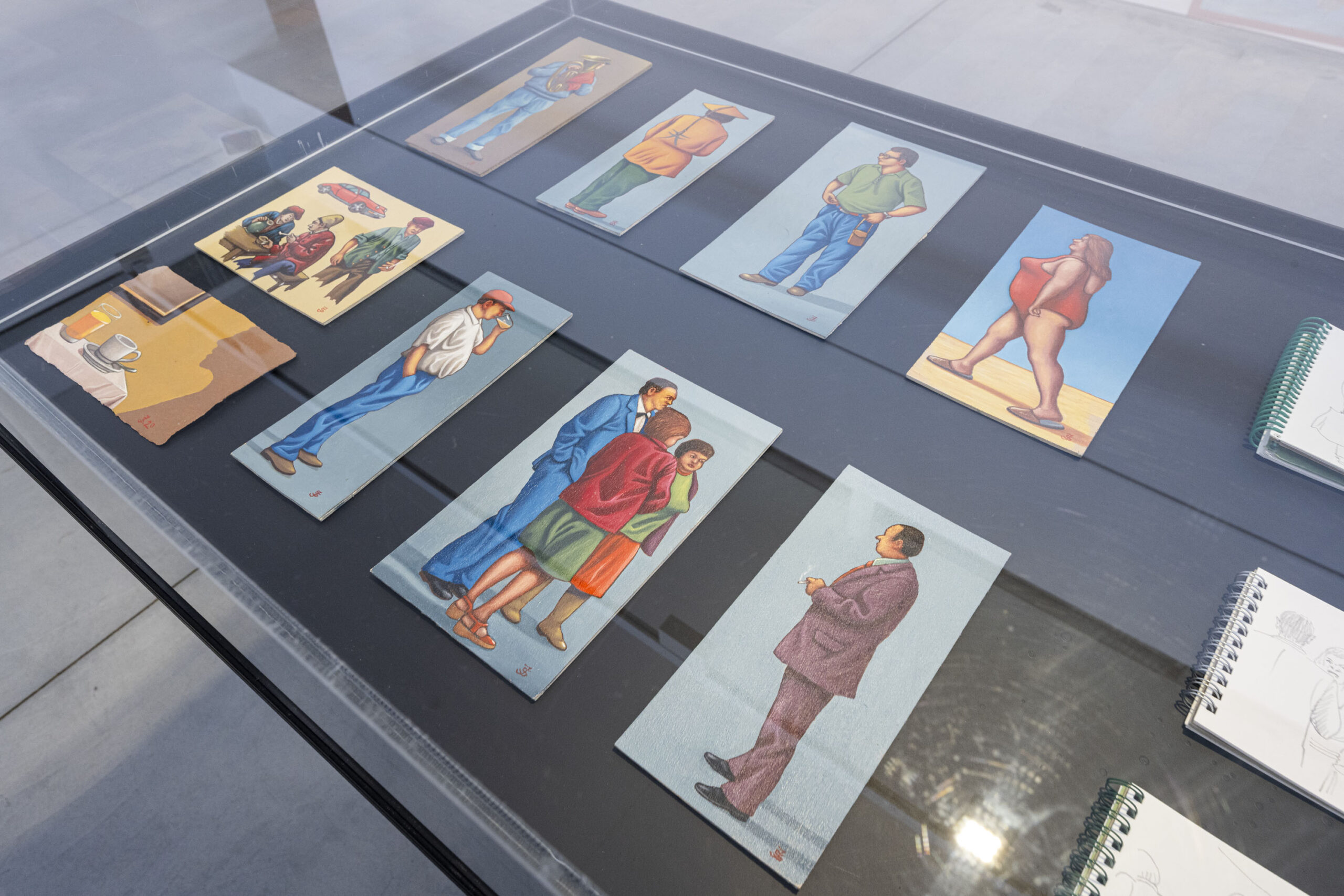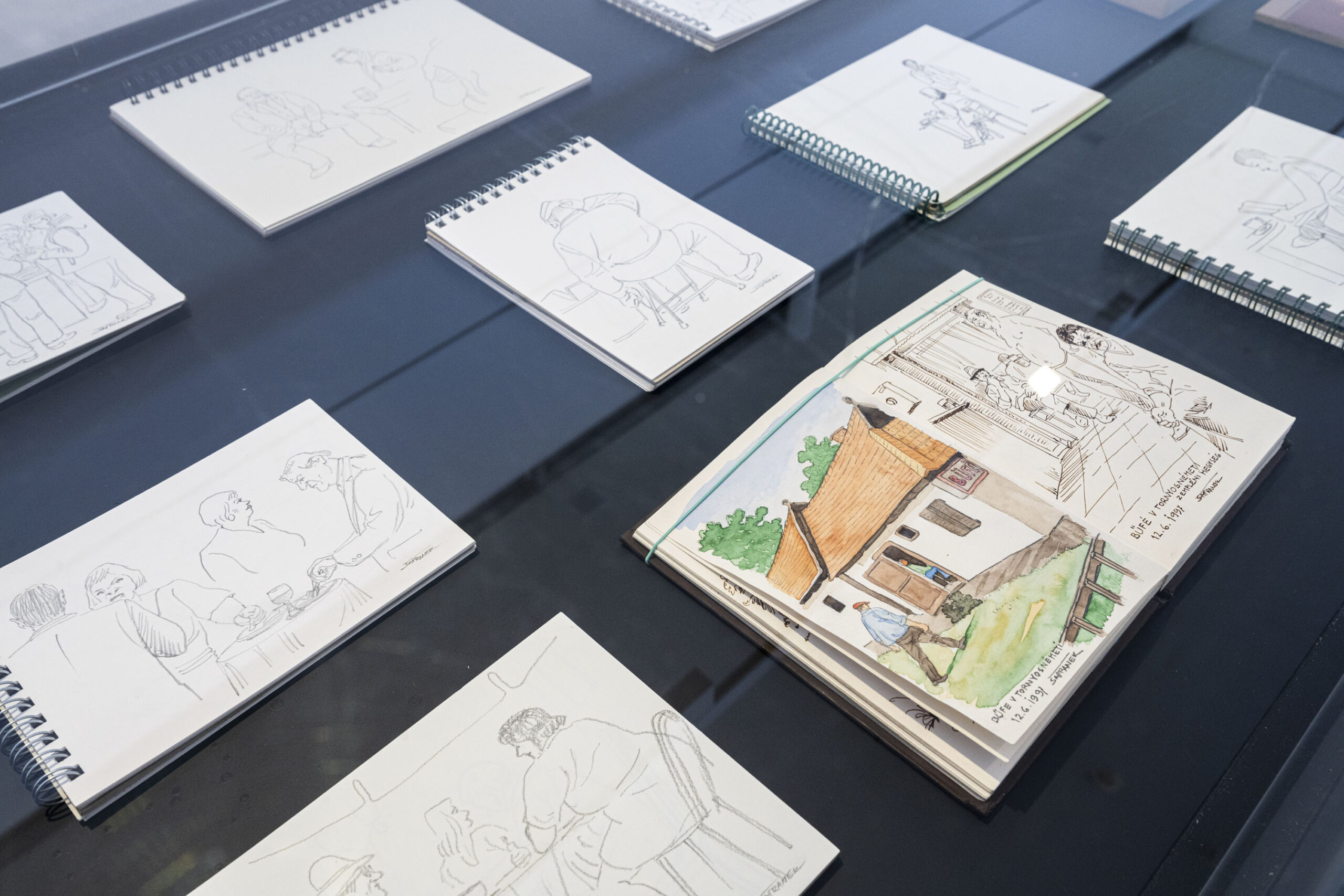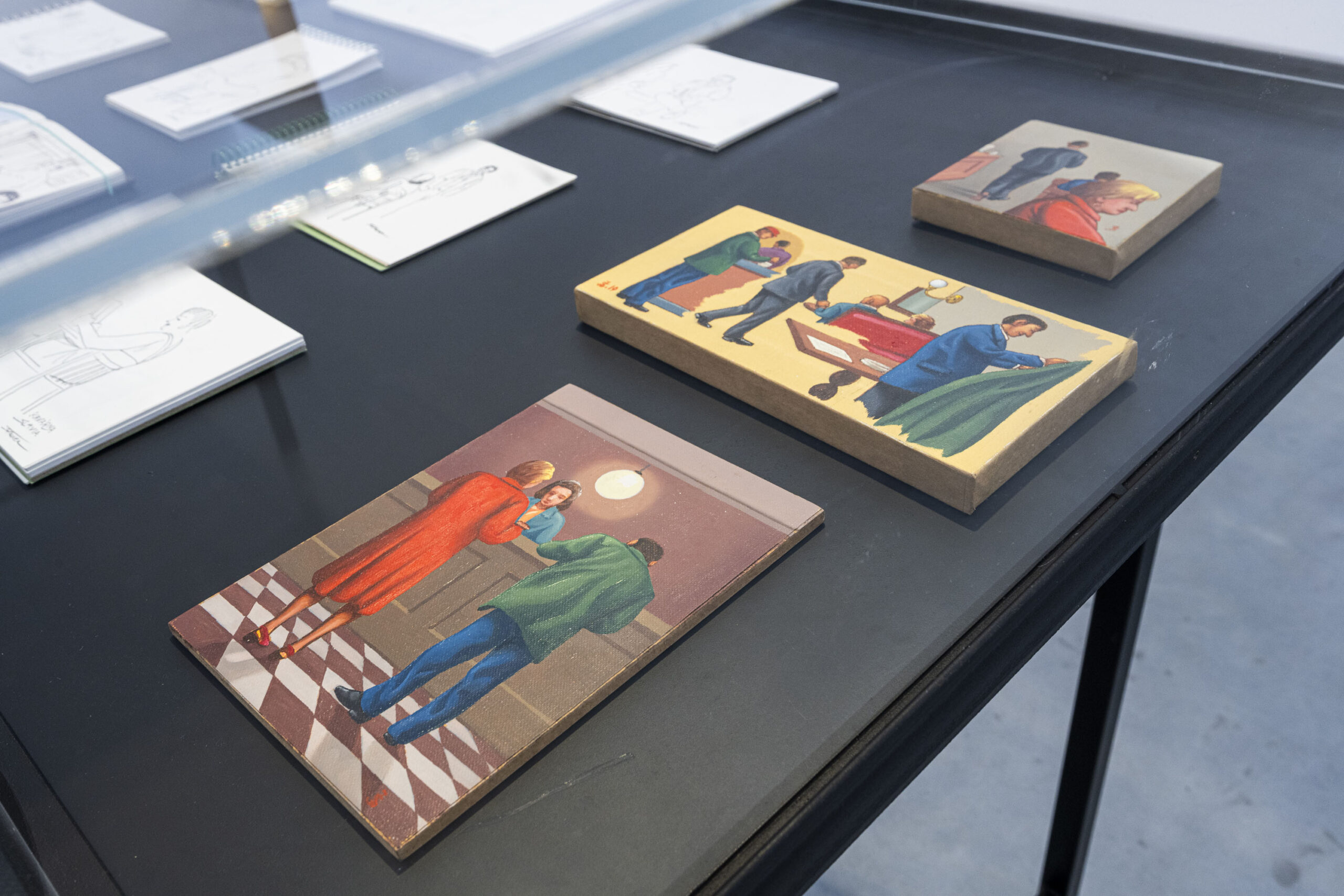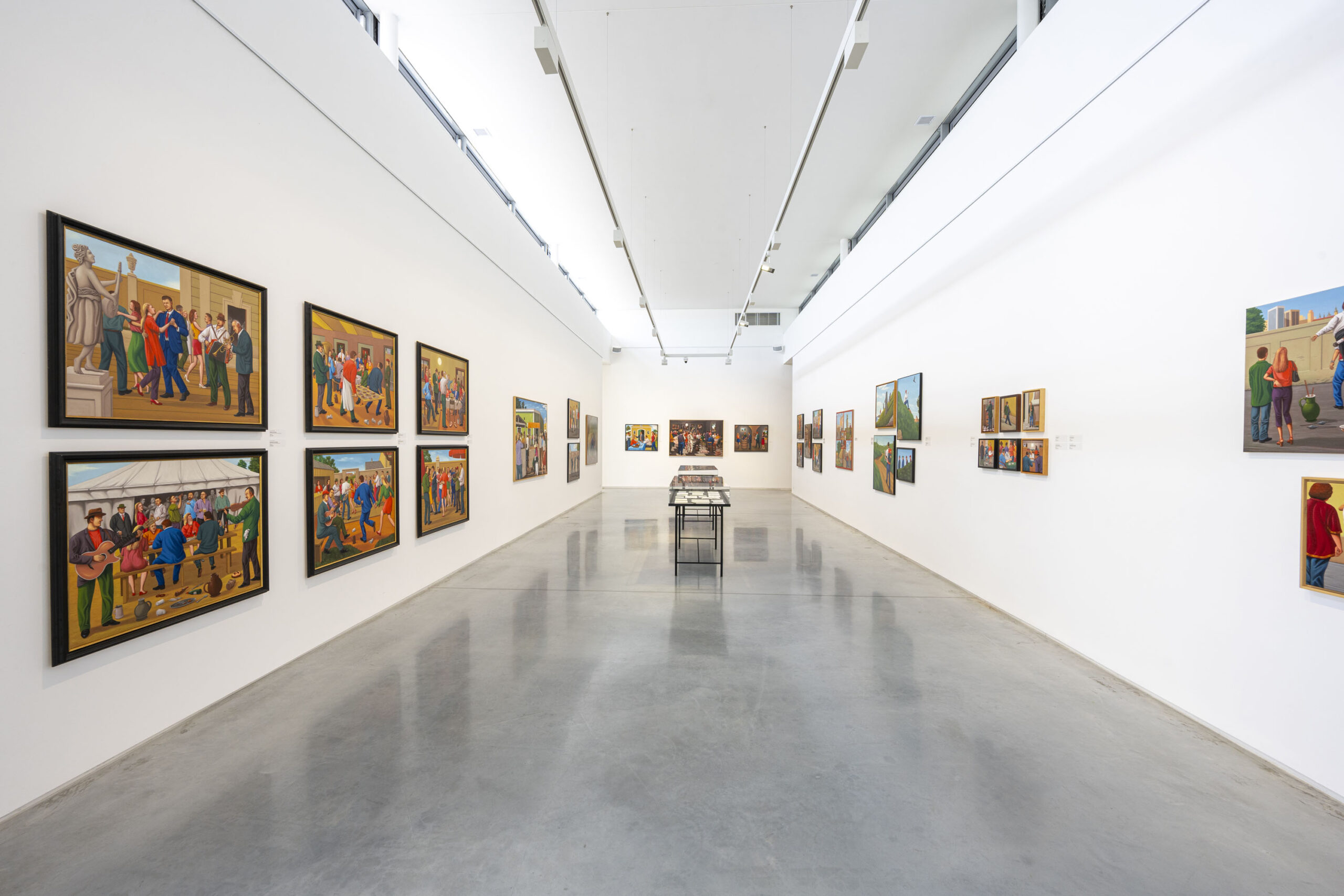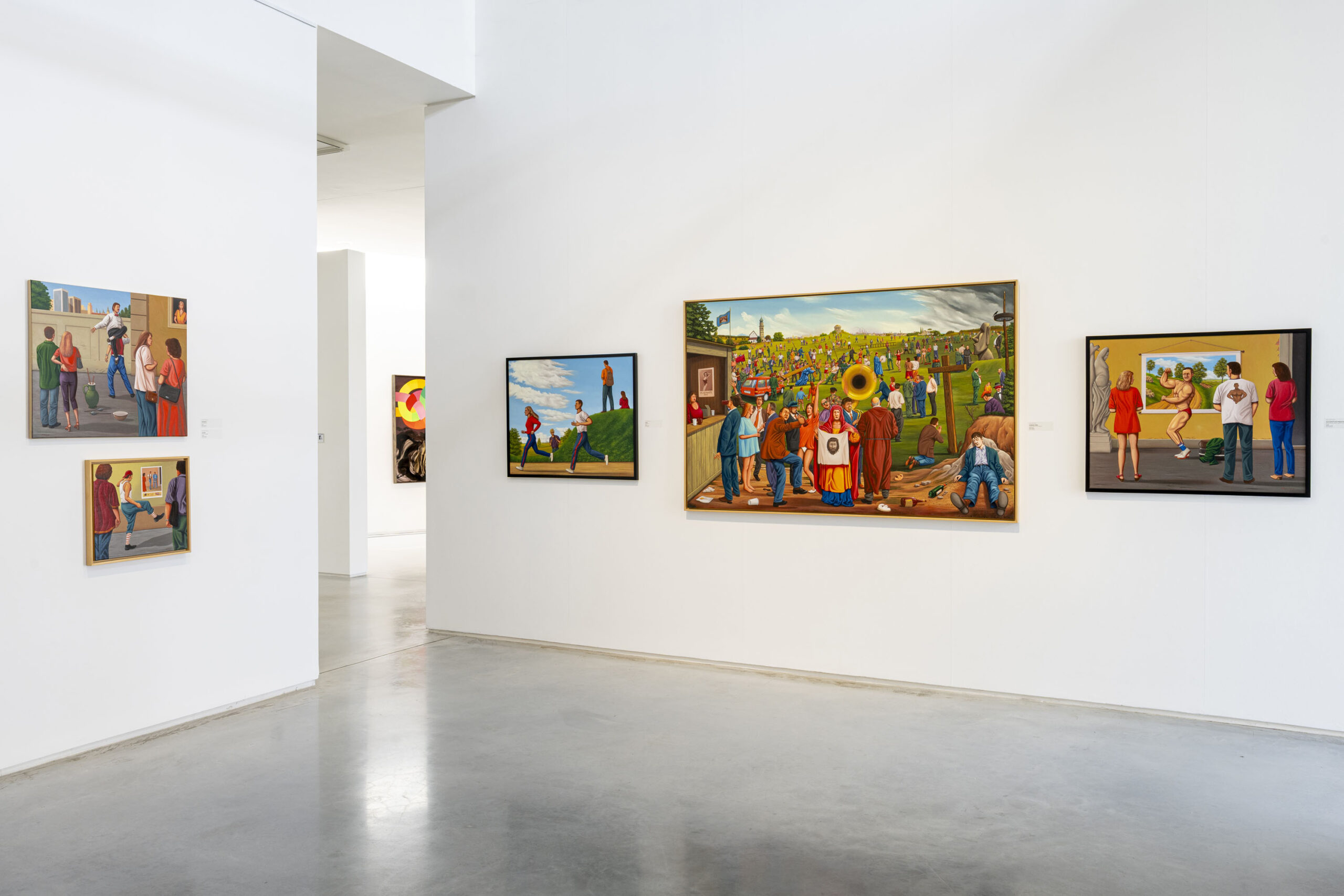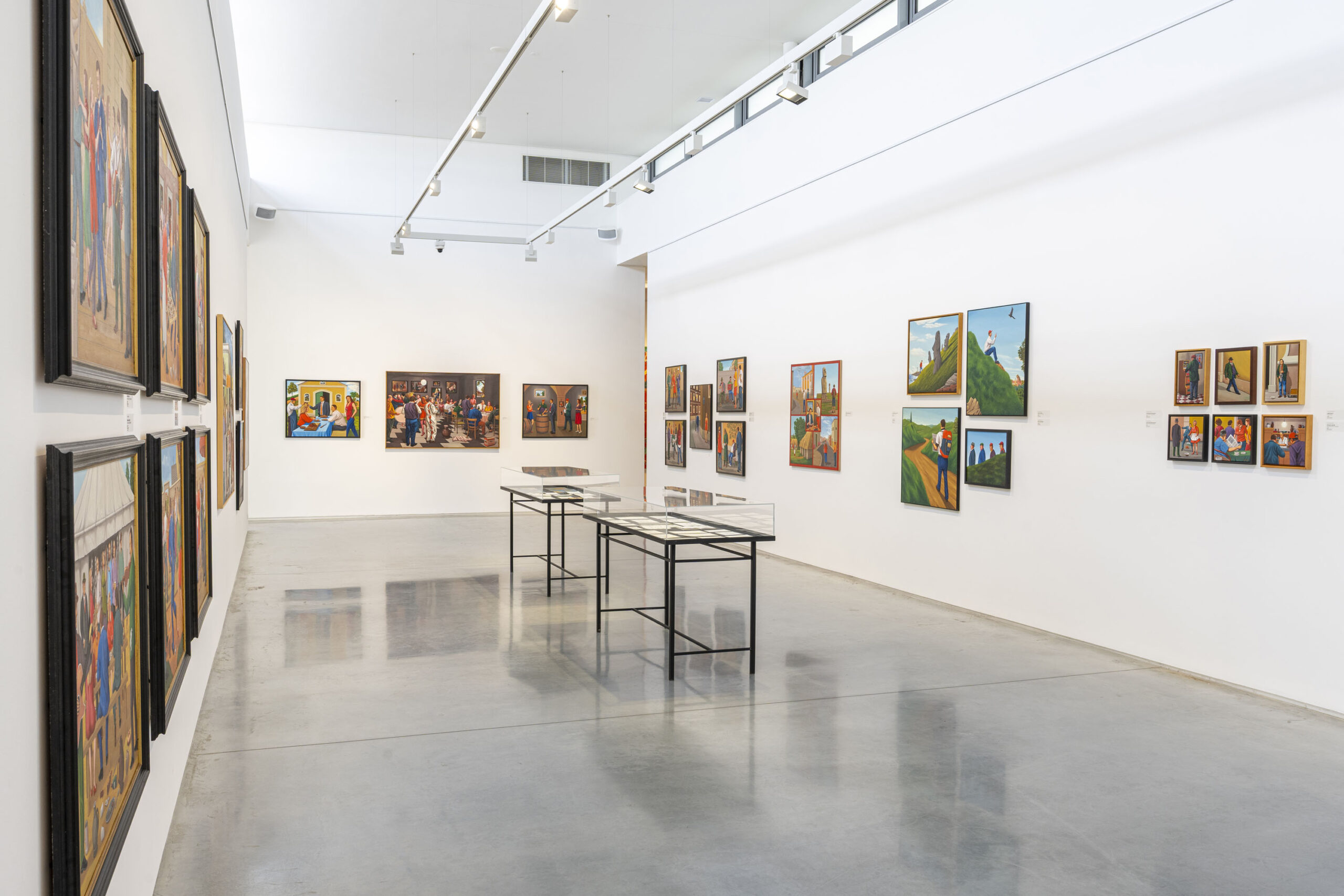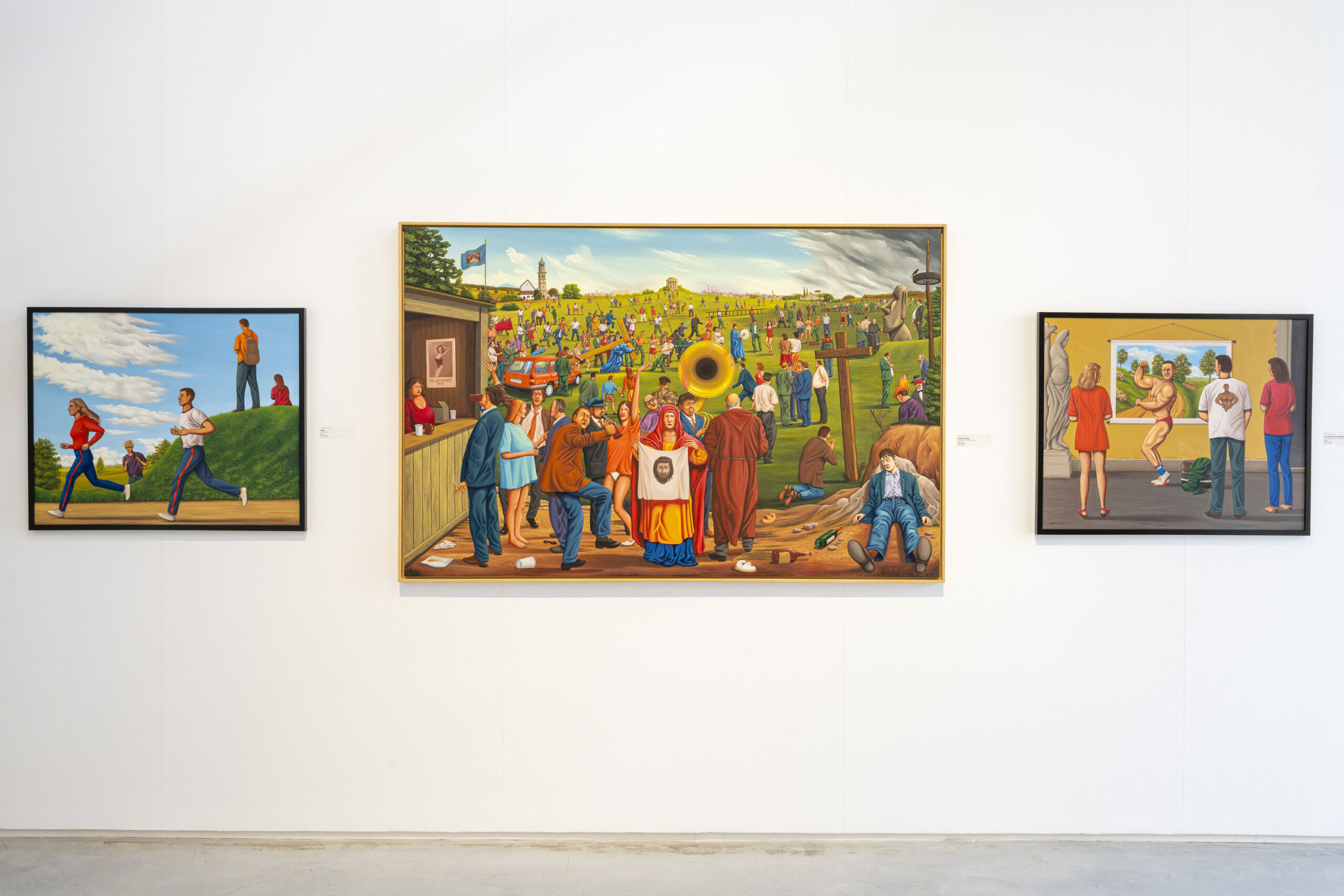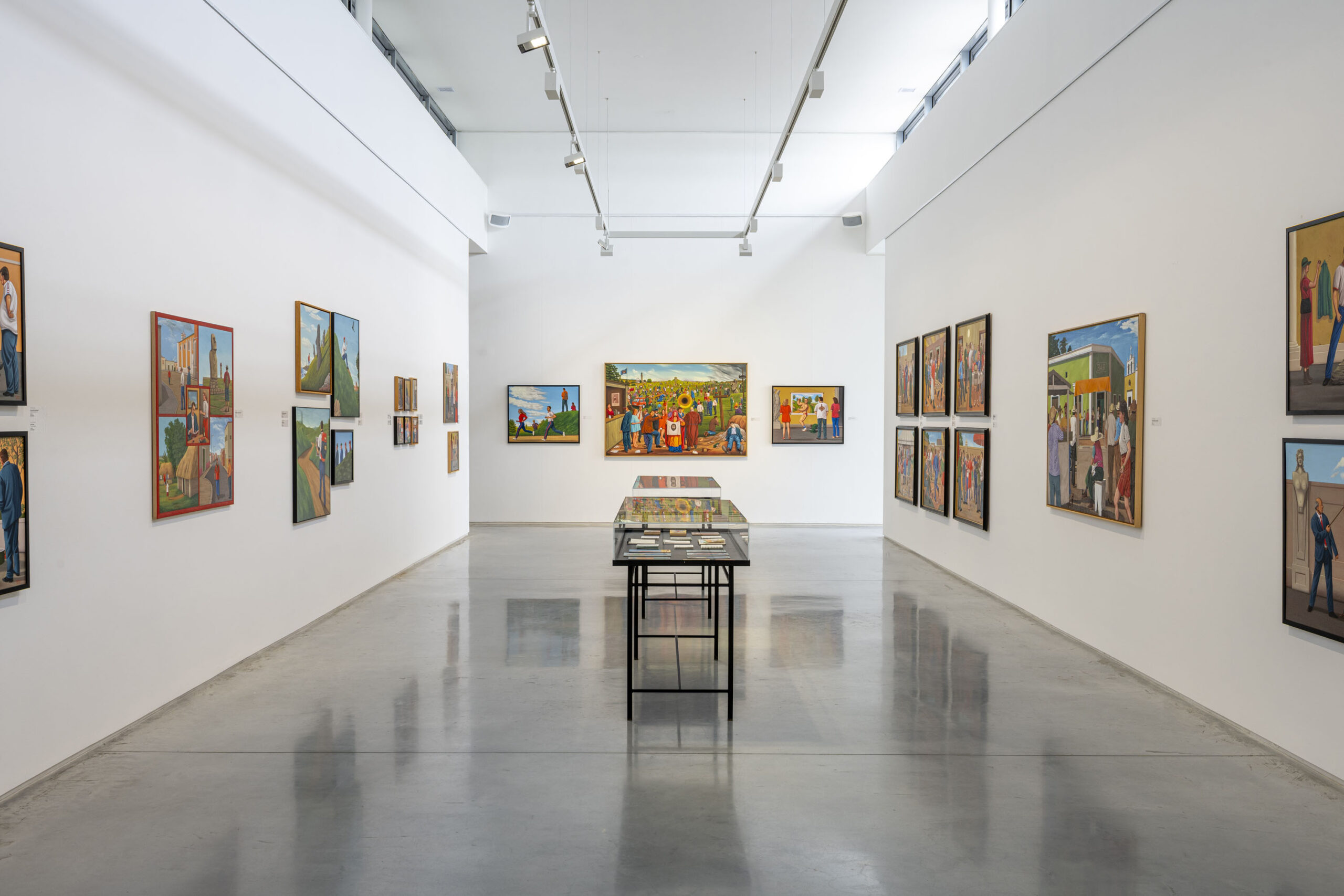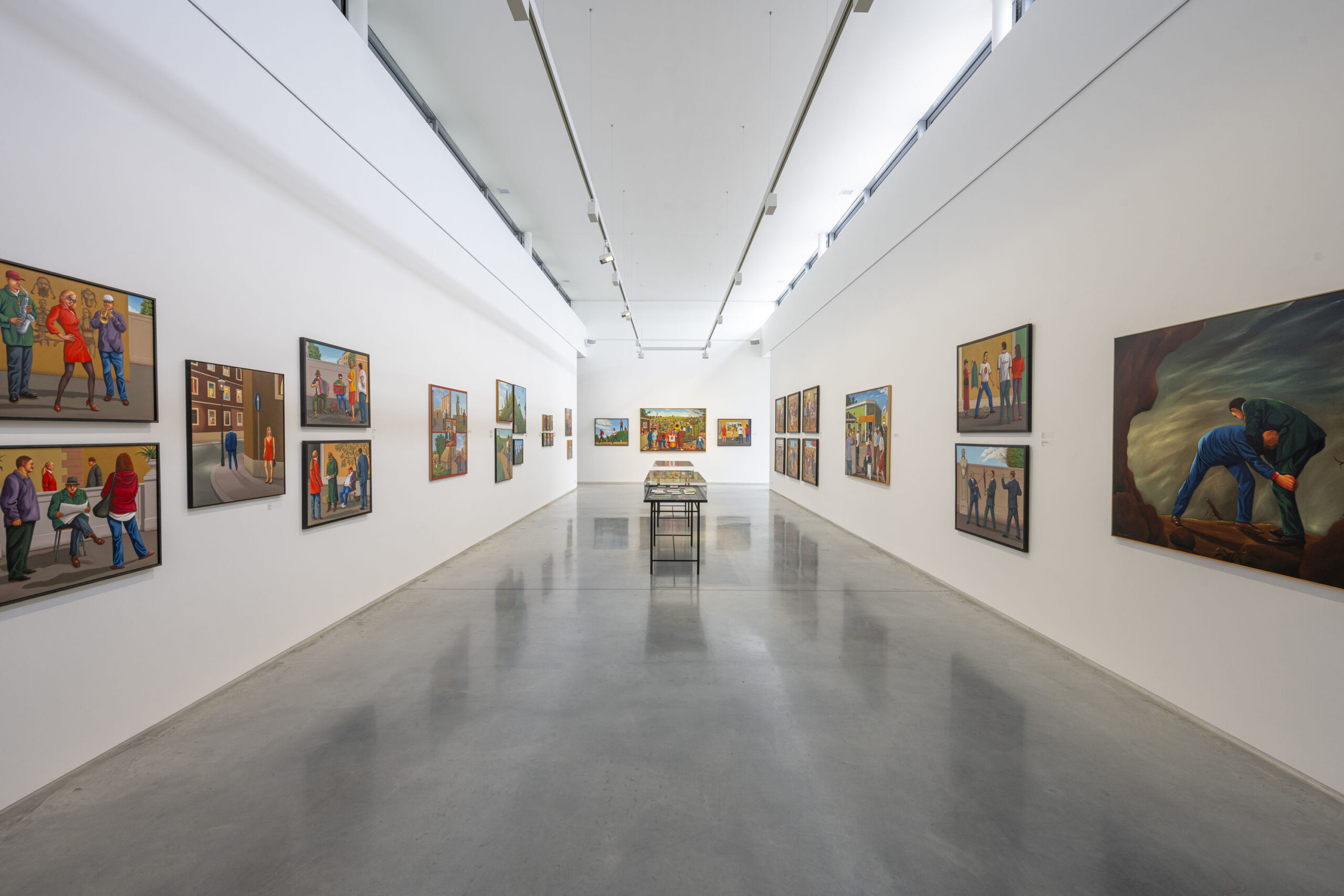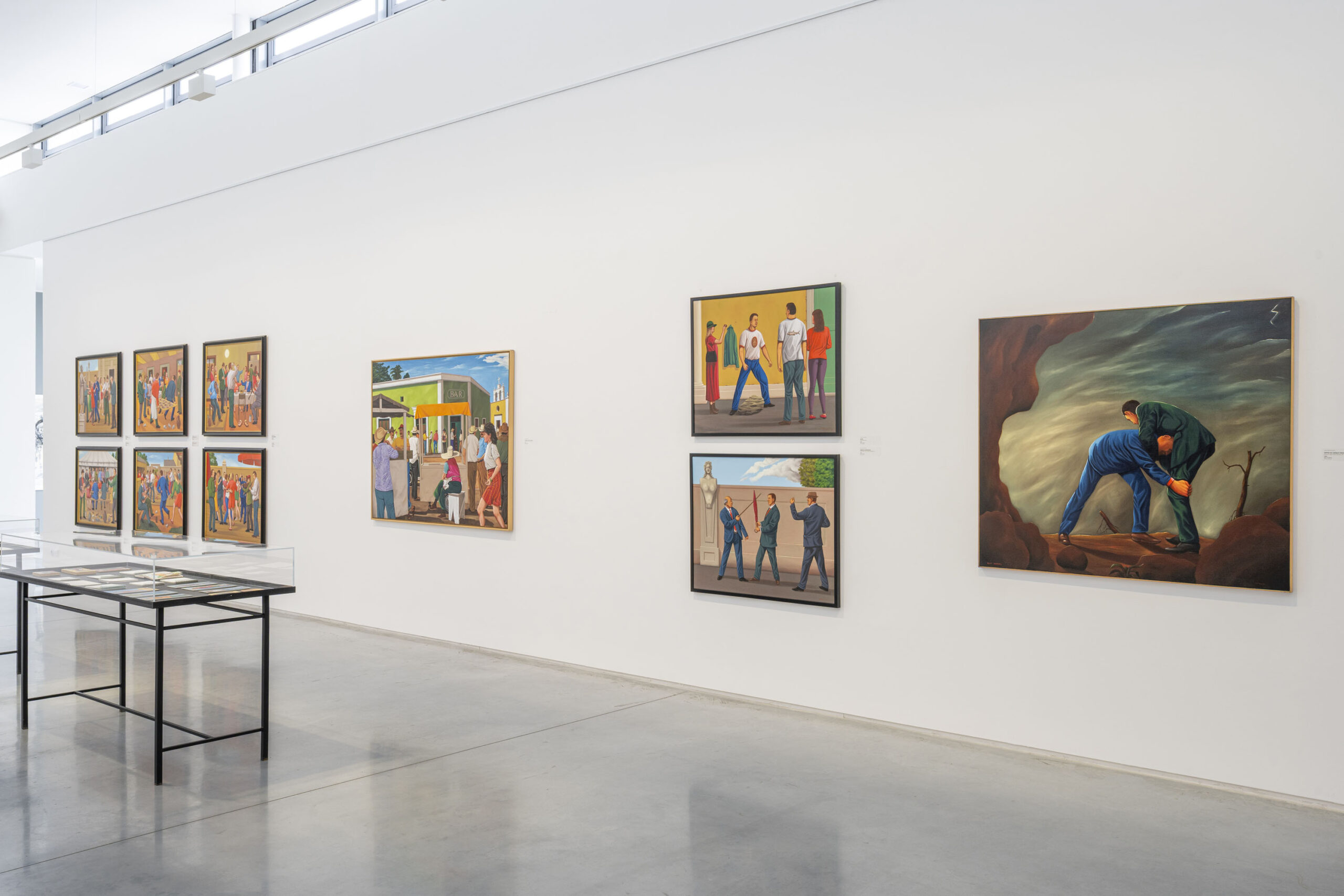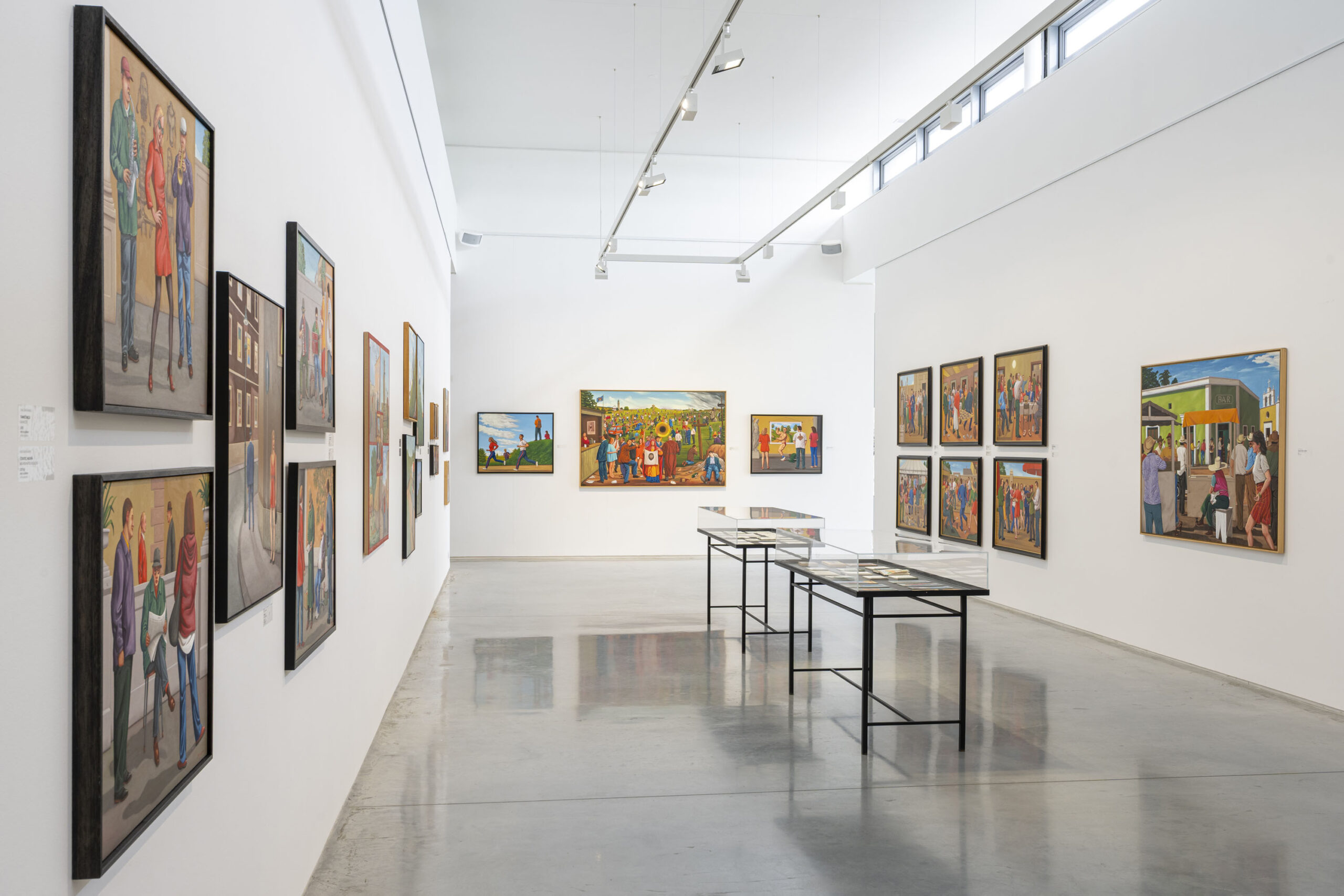
Jan Šafránek, About People, Danubiana, 2025
| Kurátor: | Tereza Petrželková | |
|---|---|---|
| Místo konání: |
|
|
| Termín konání: |
|
|
| Kontakt: | www.galeriegema.cz, www.danubiana.sk |
| Kurátor: | Tereza Petrželková | |
|---|---|---|
| Místo konání: |
|
|
| Termín konání: |
|
|
| Kontakt: | www.galeriegema.cz, www.danubiana.sk |
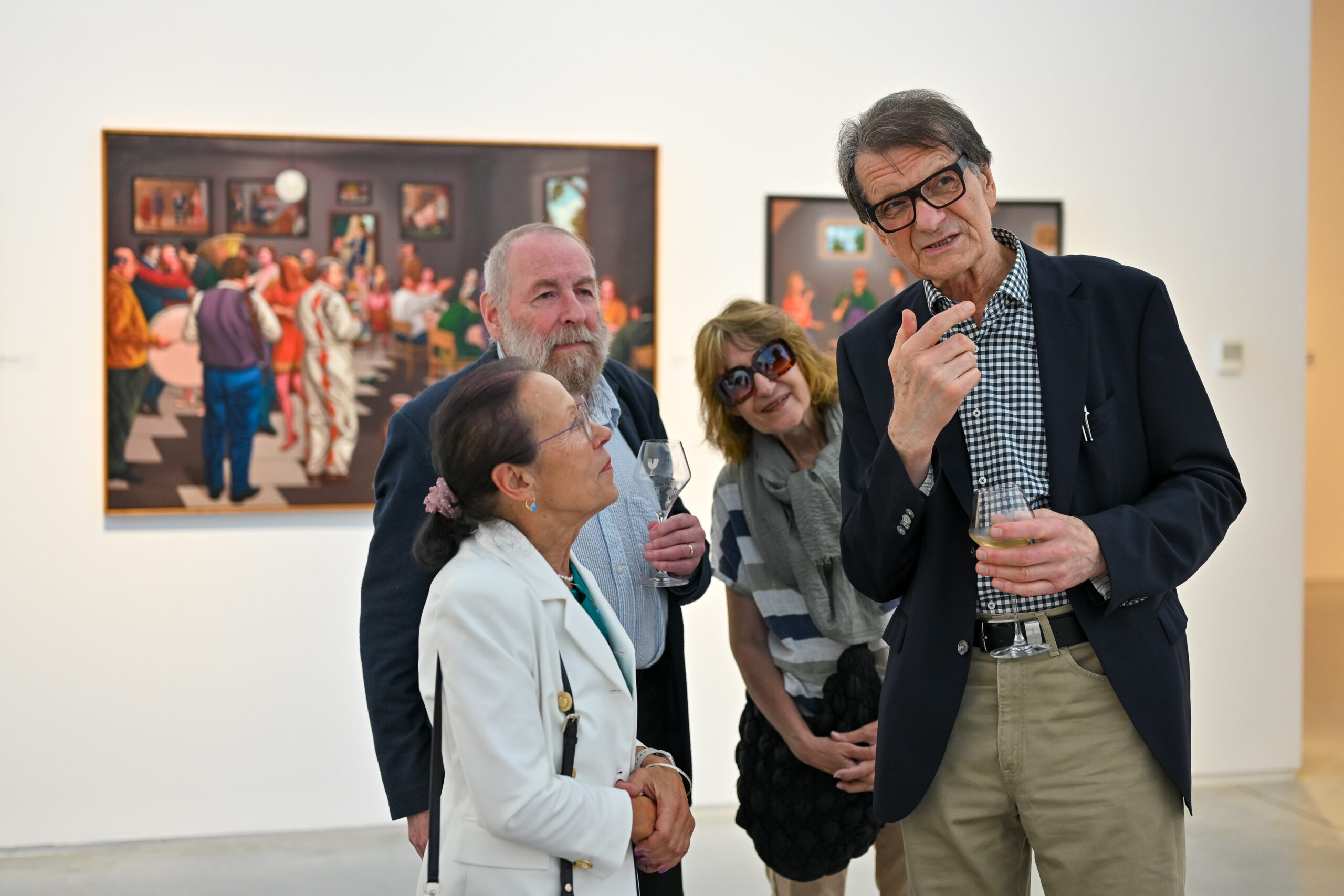
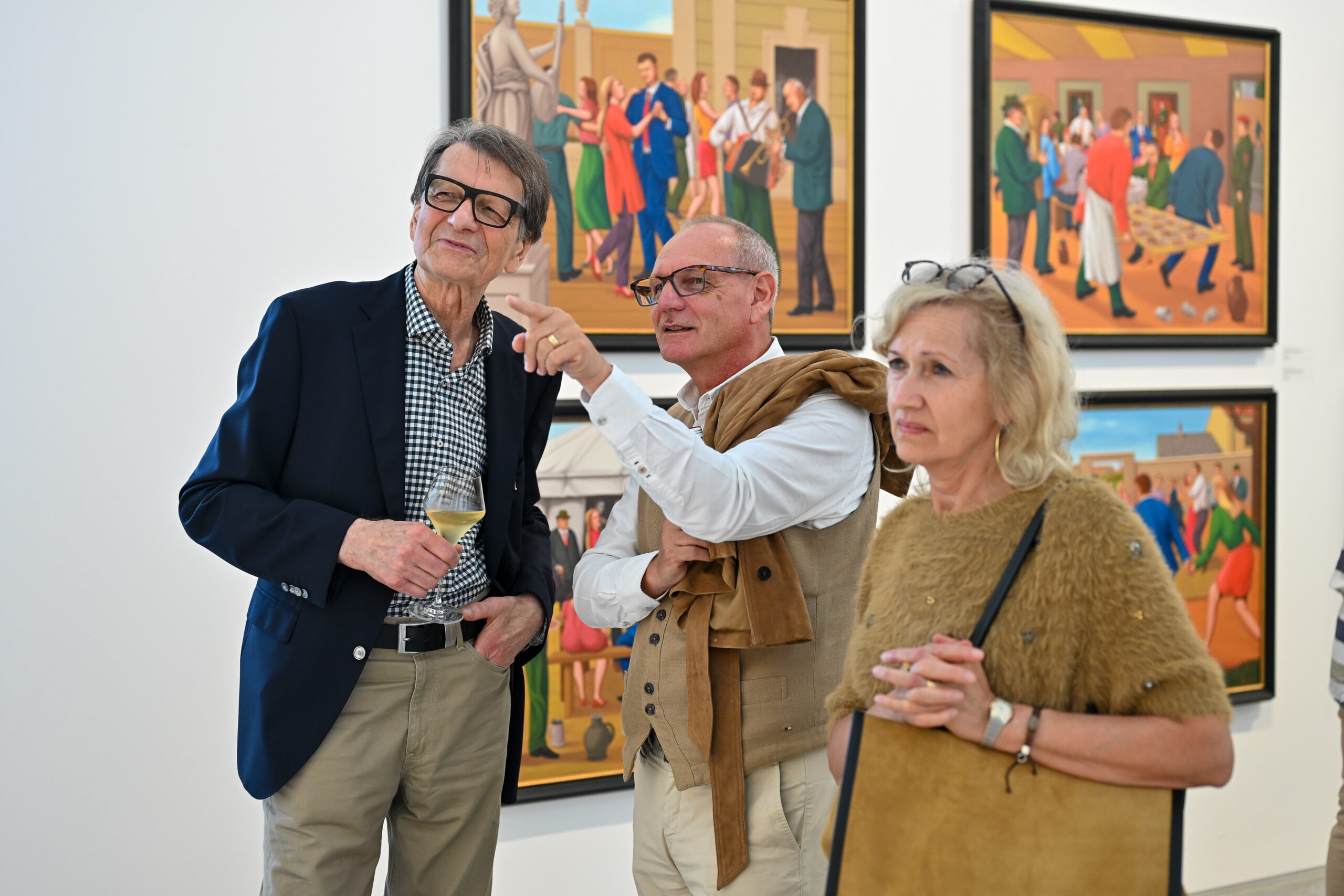
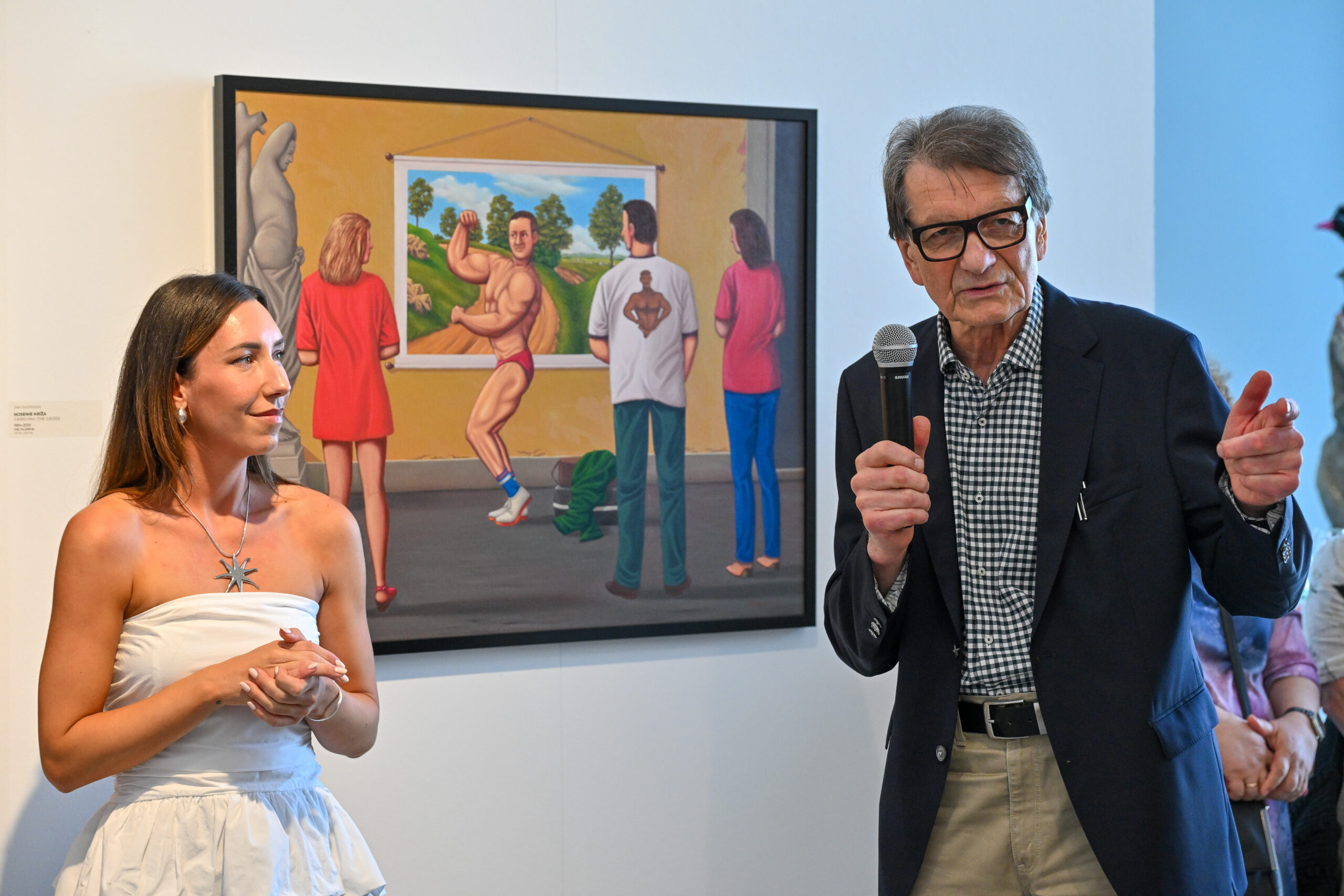
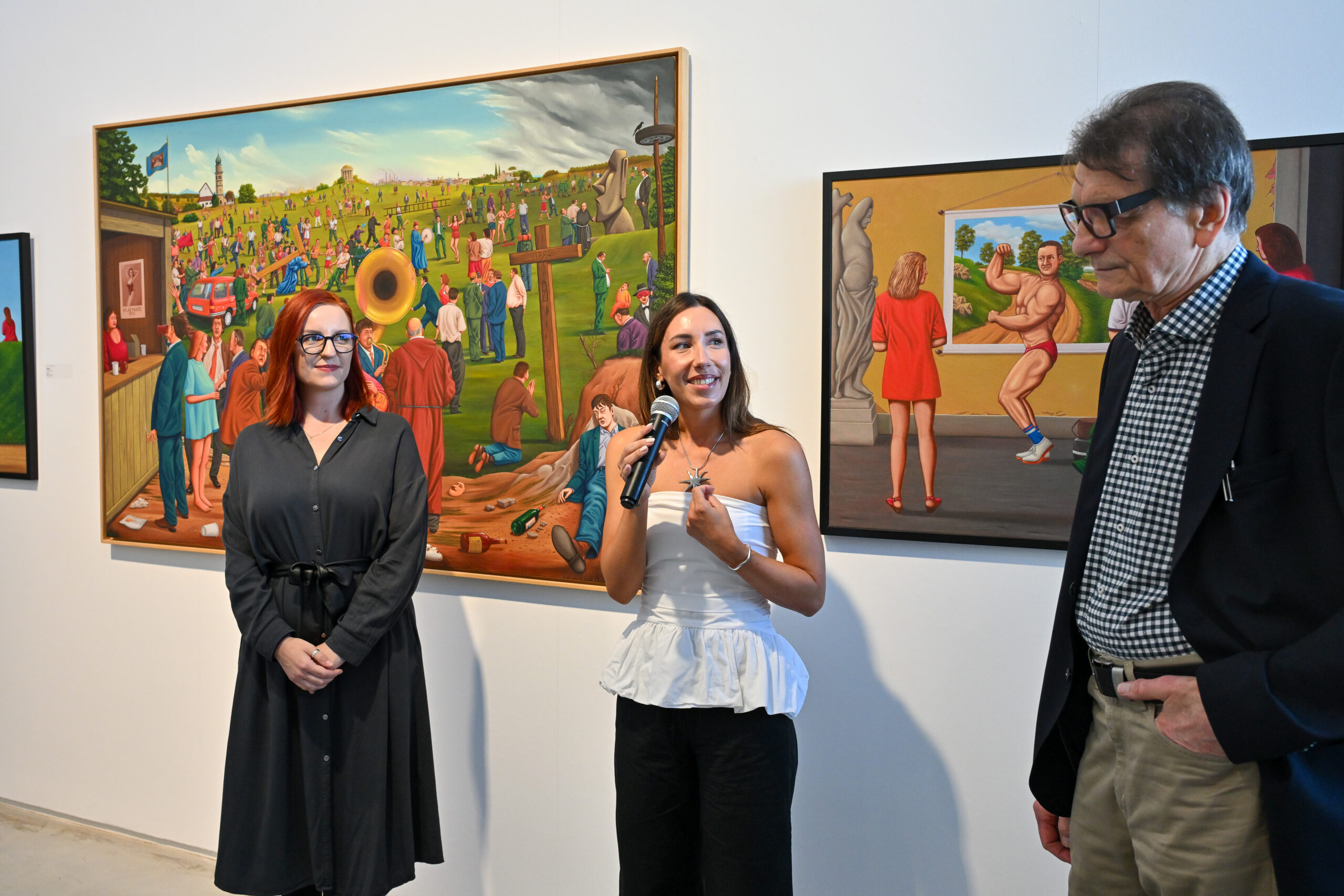
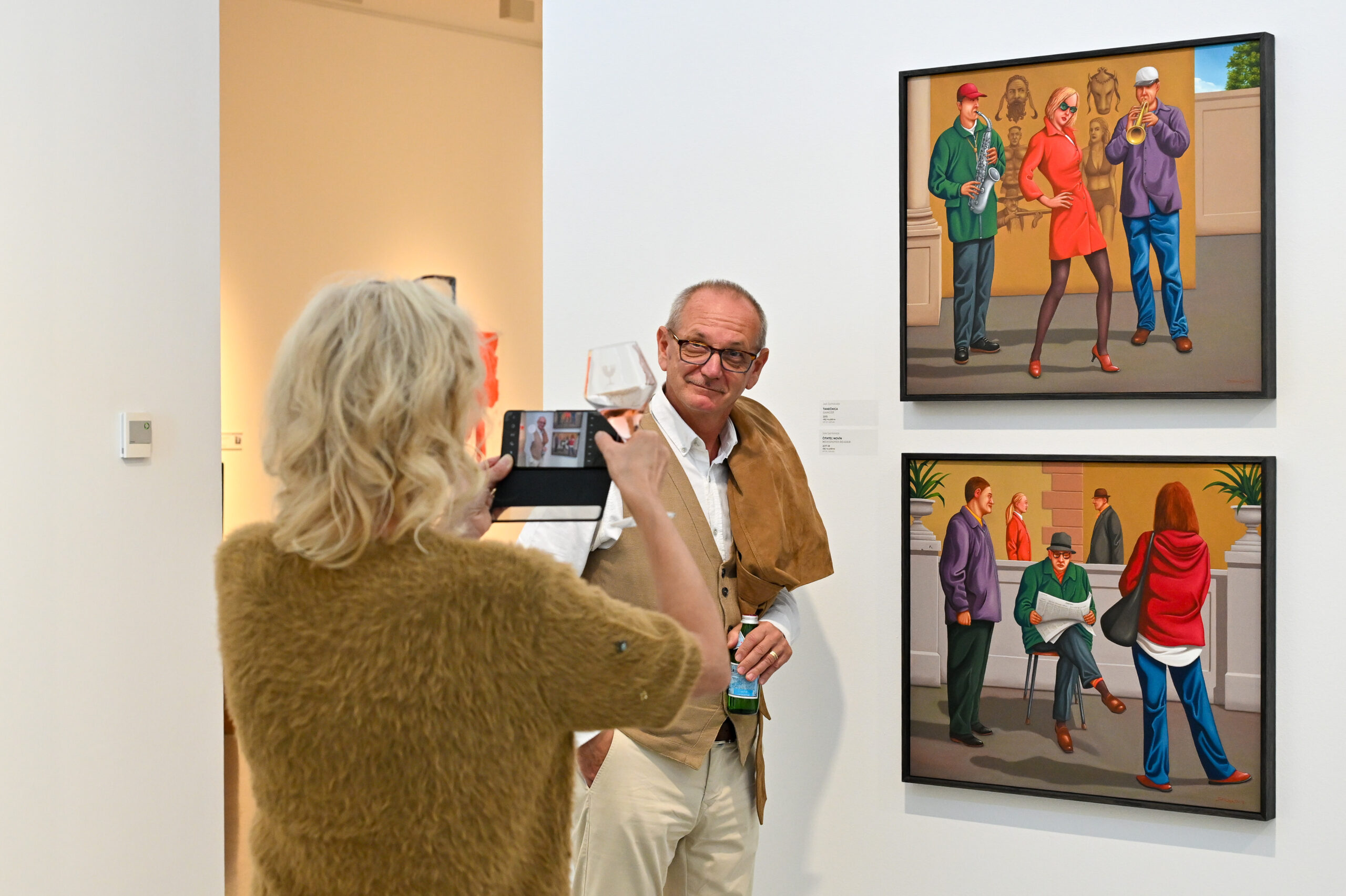
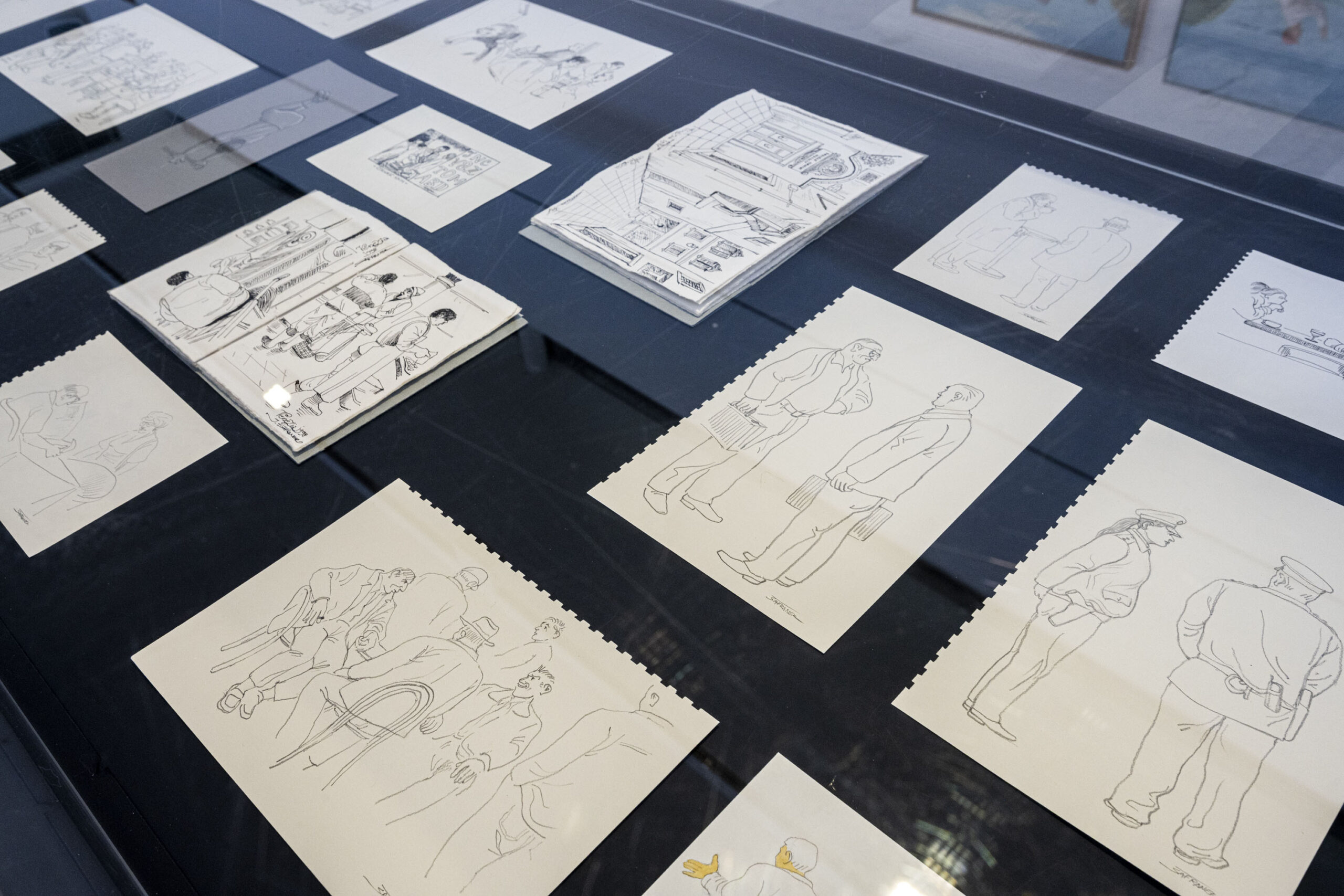
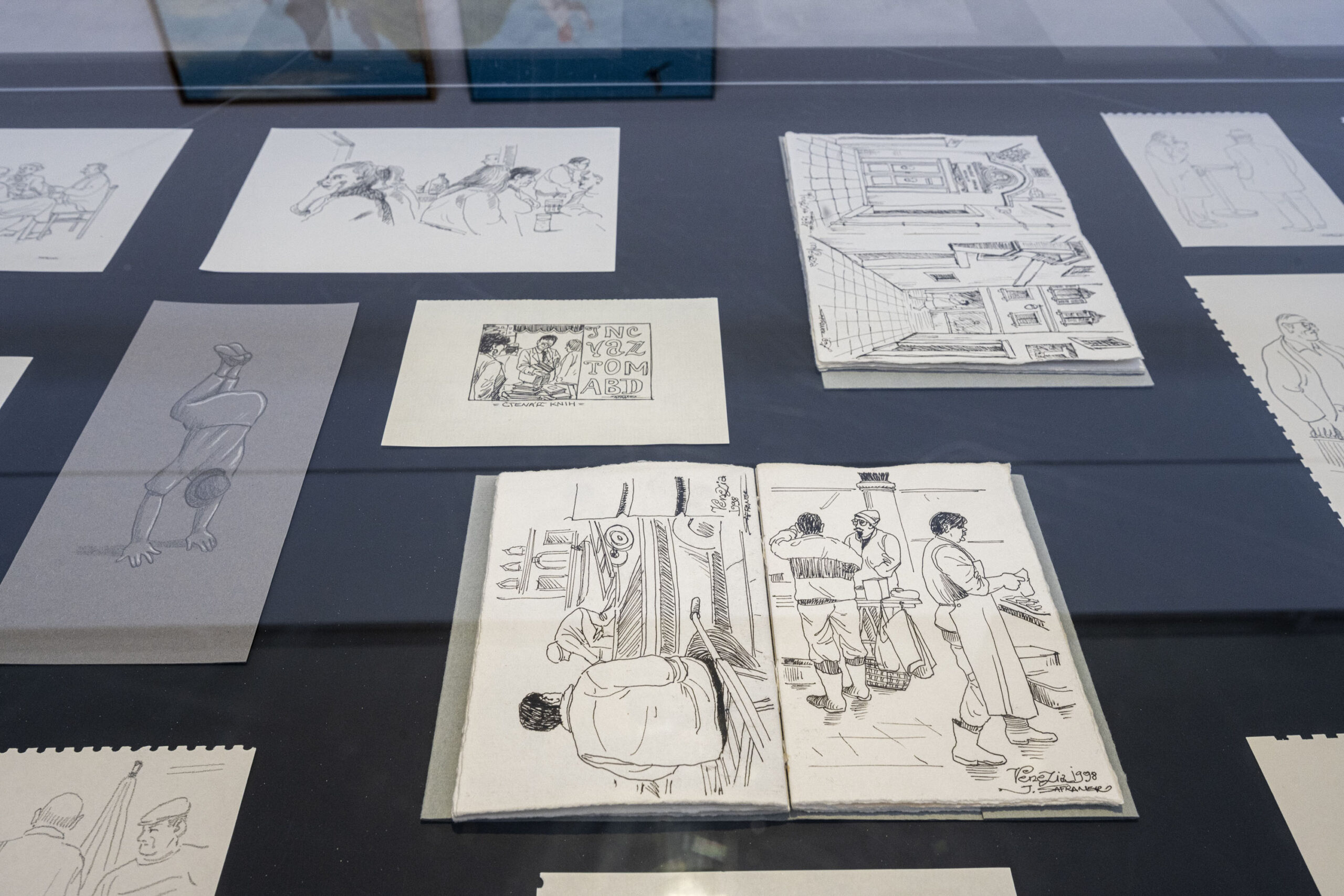
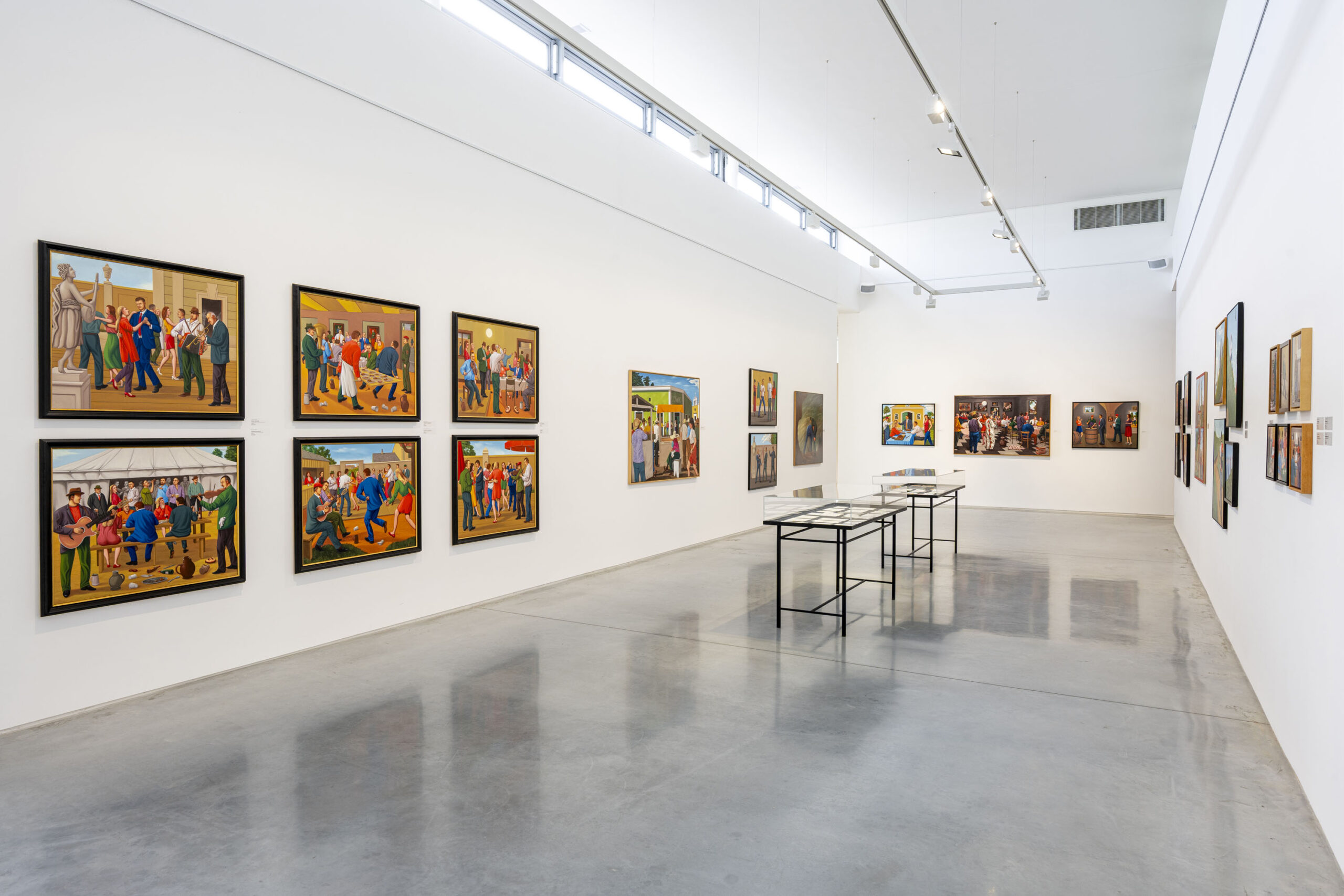
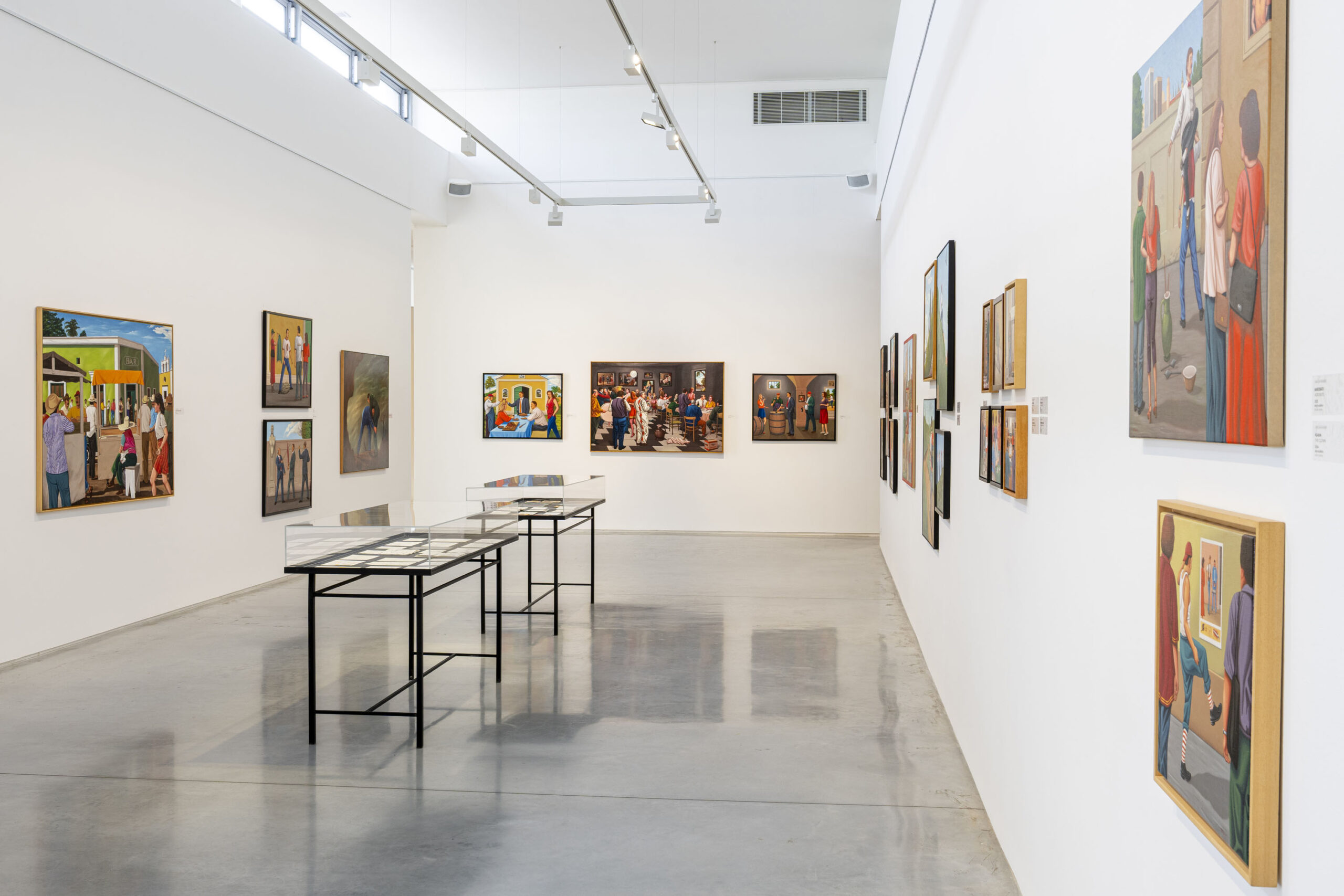
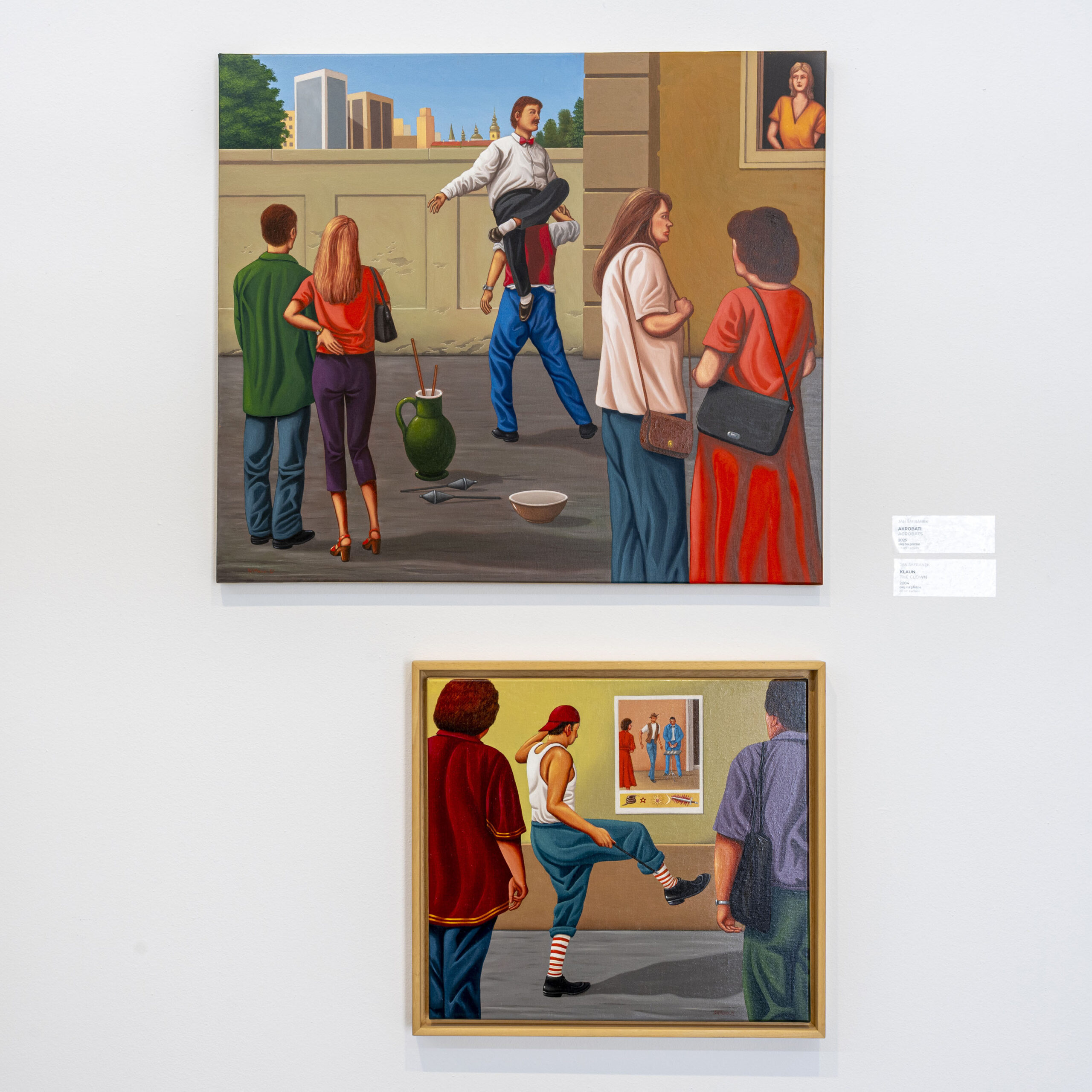
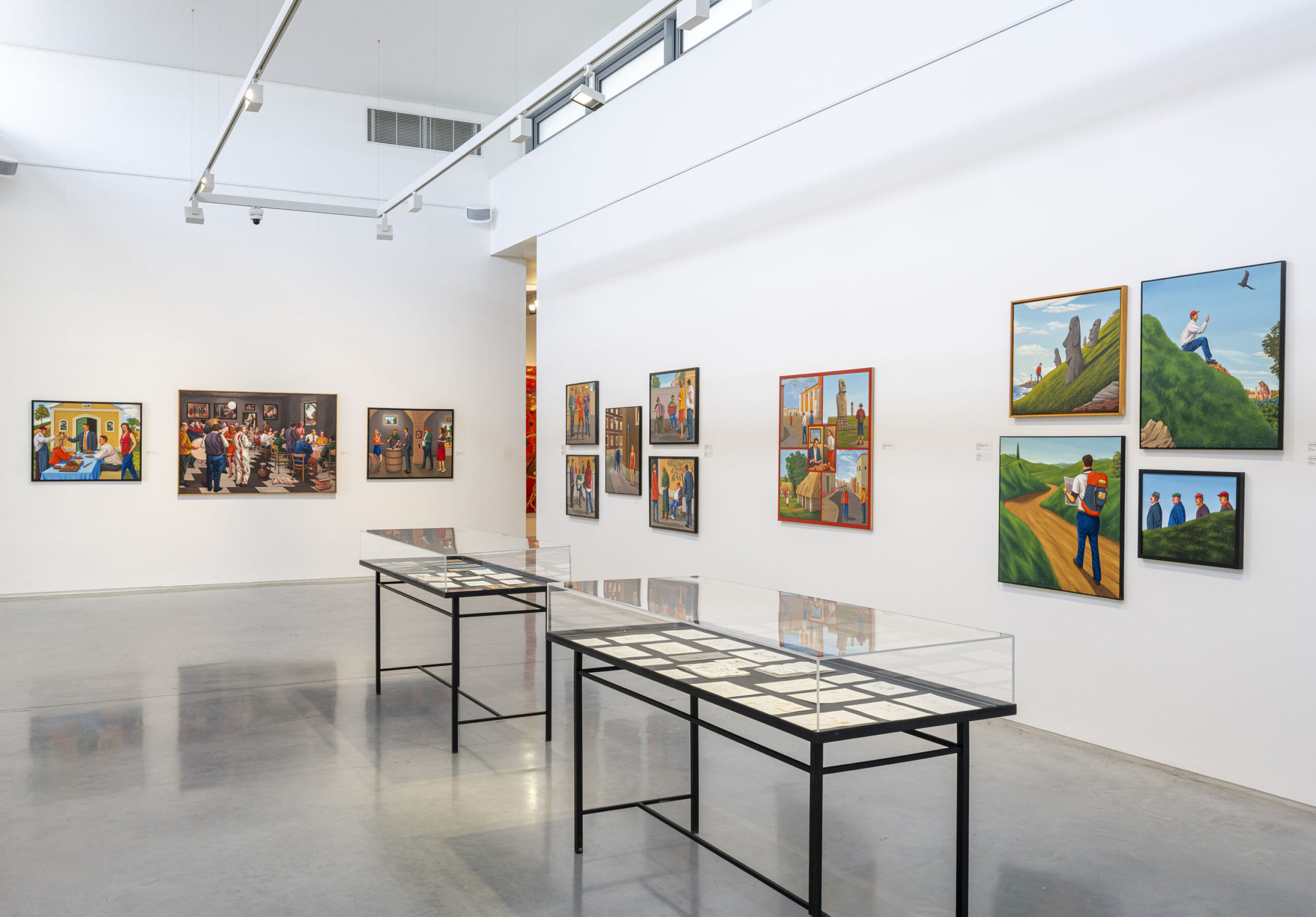
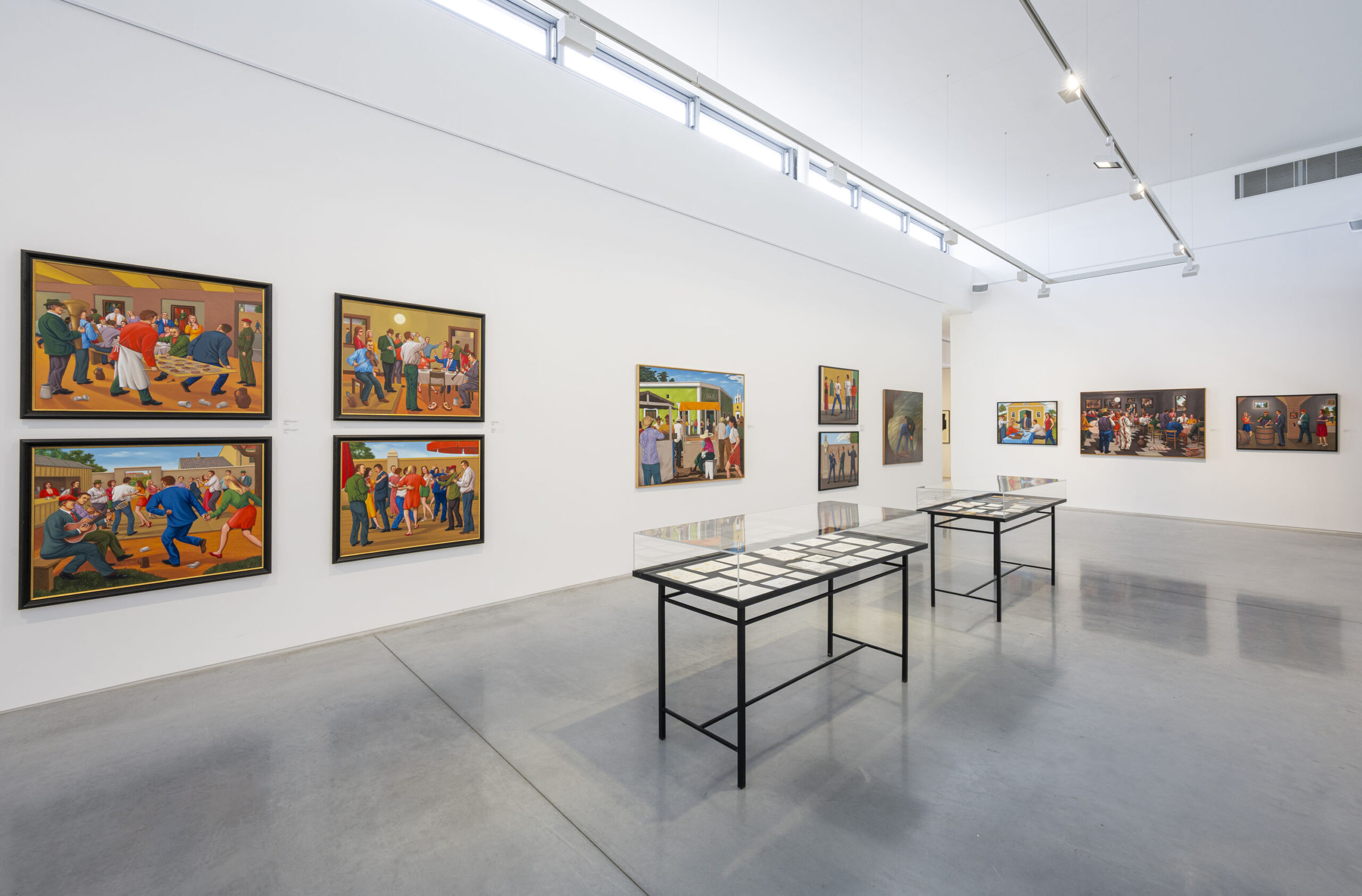
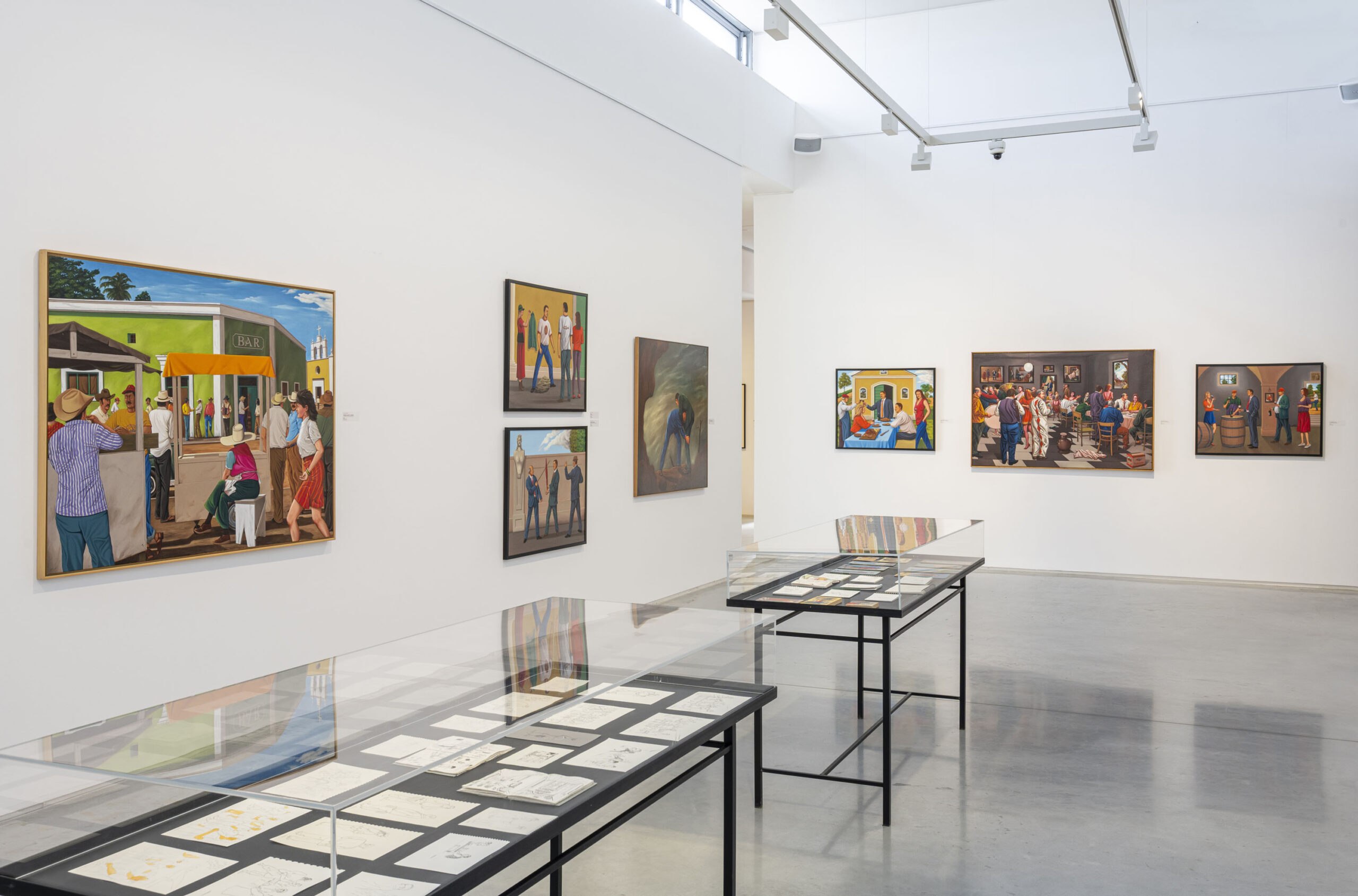
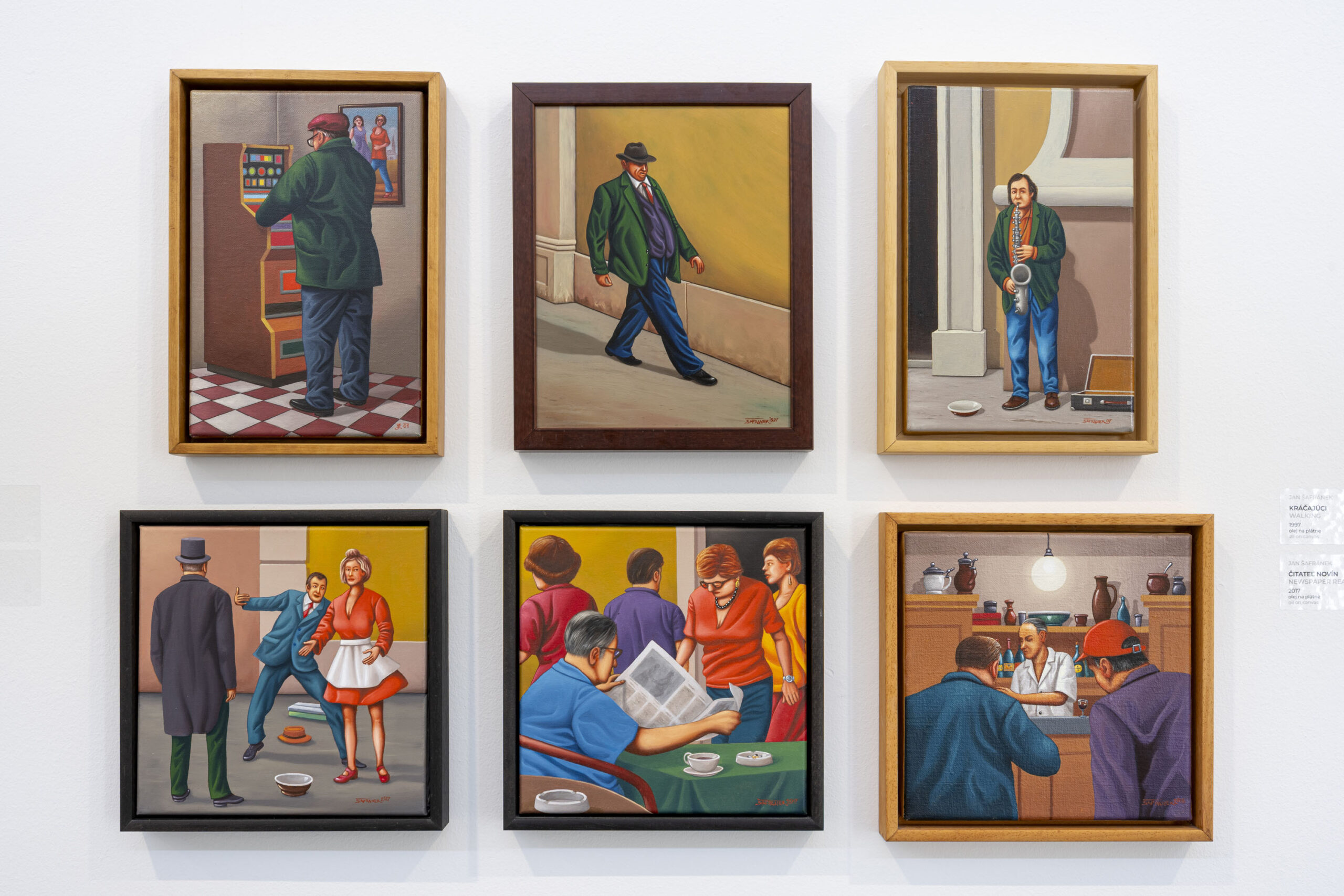
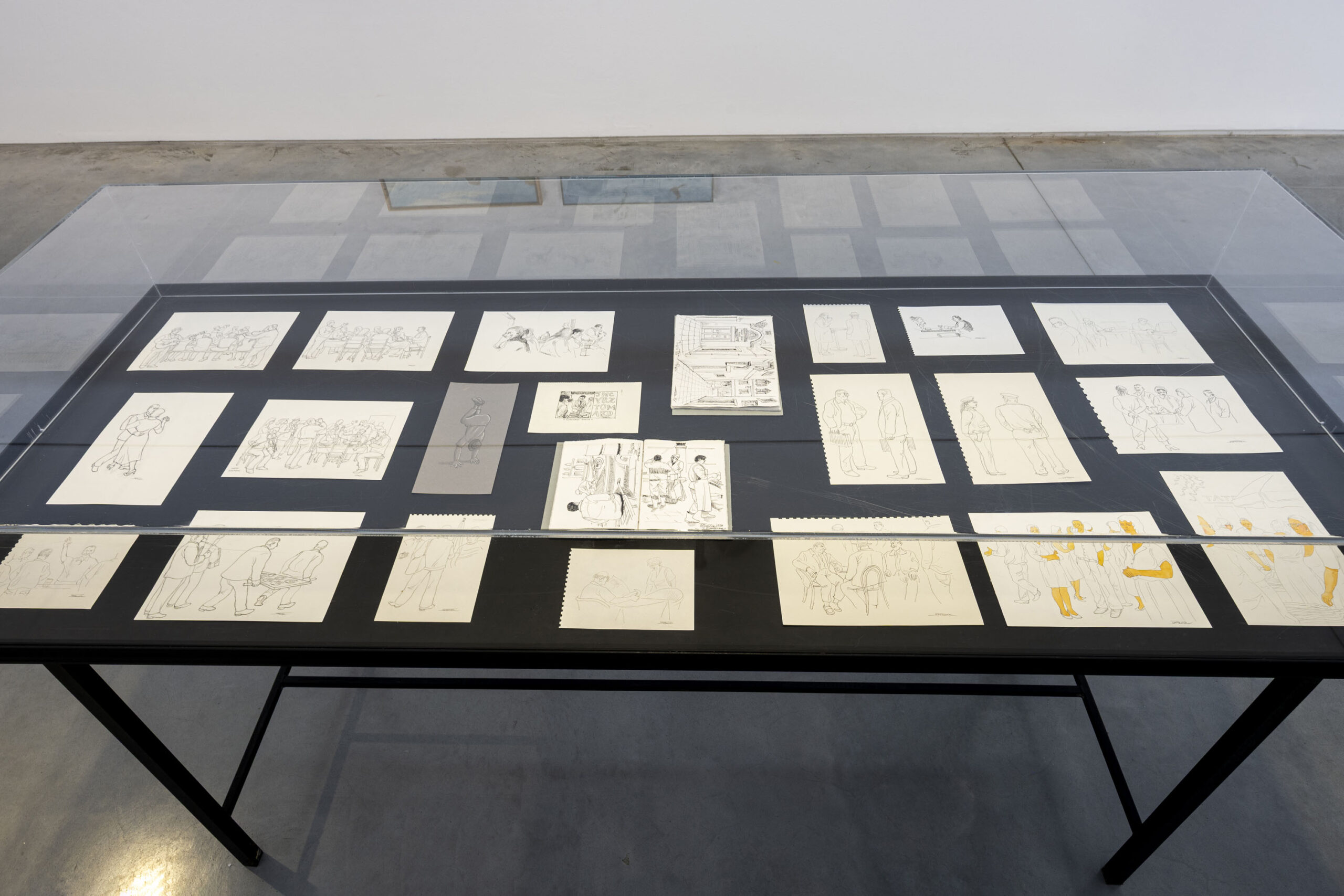
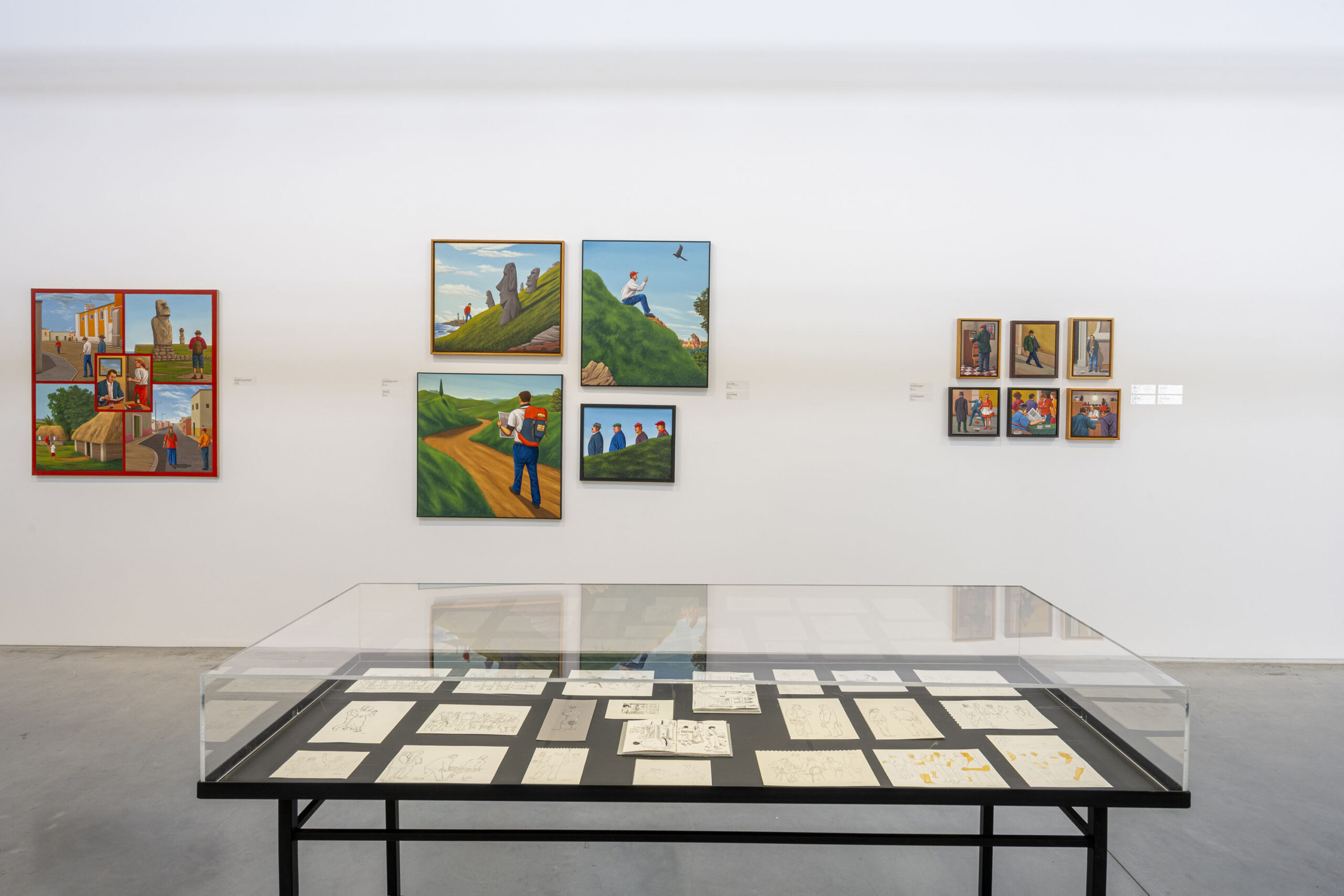
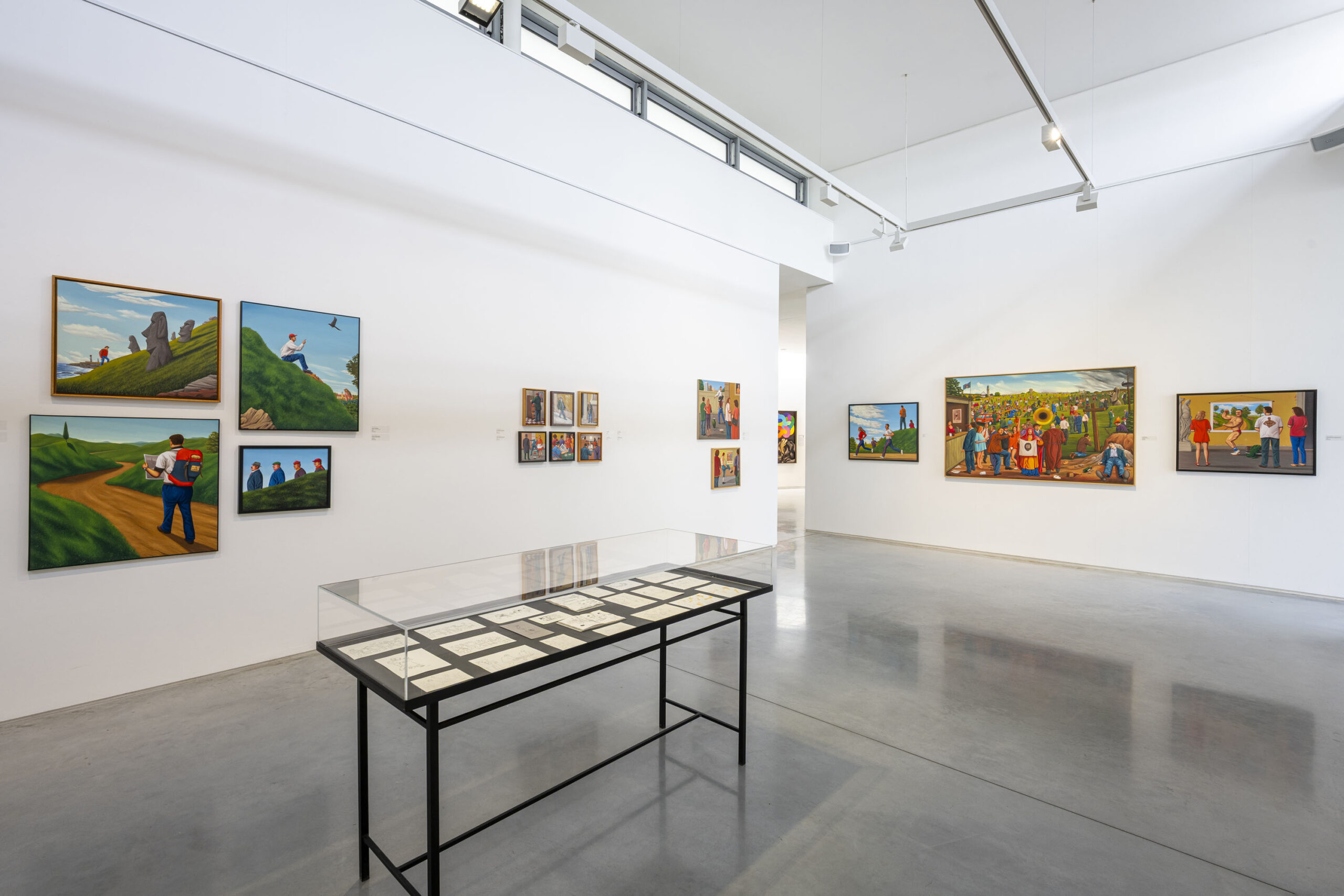
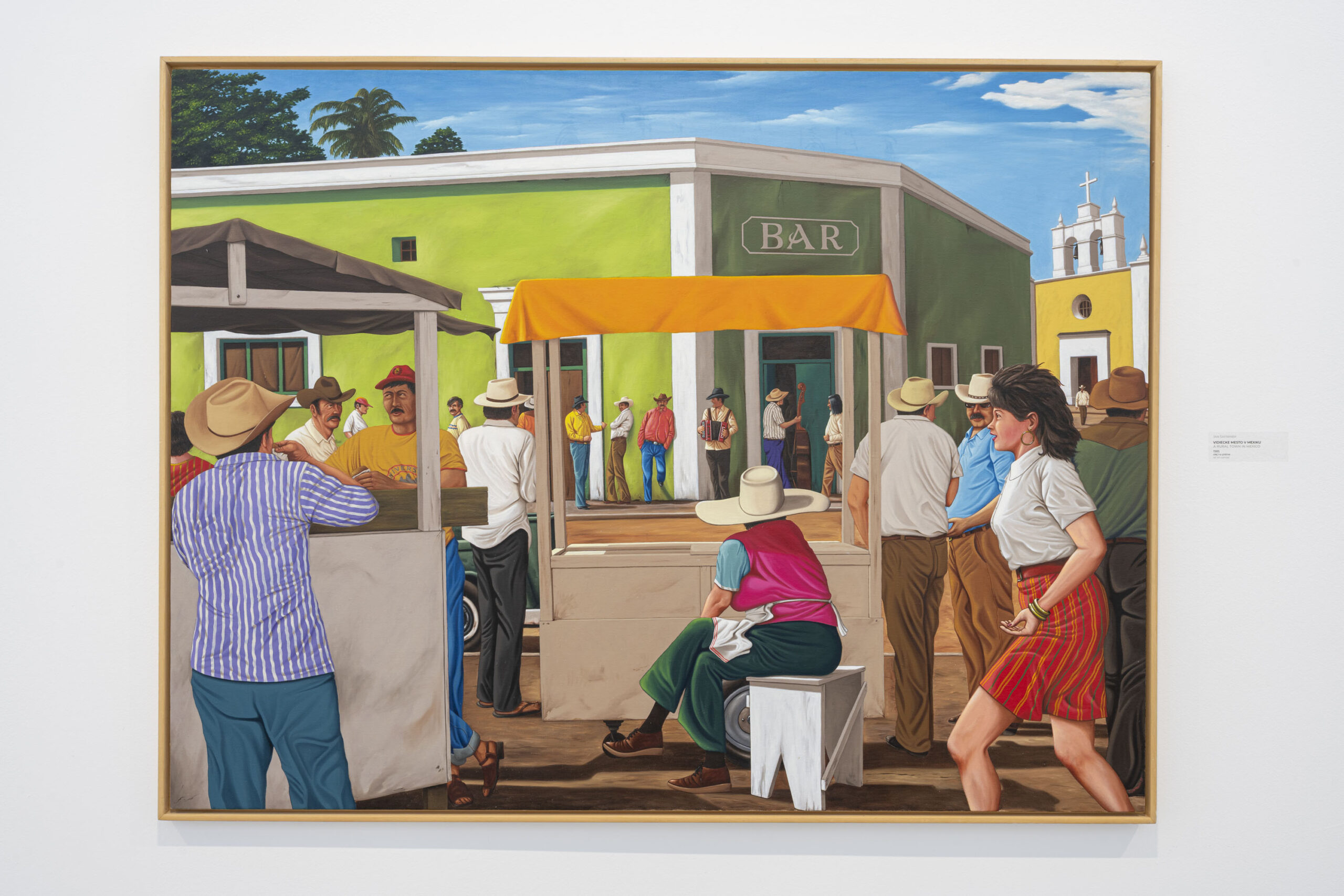
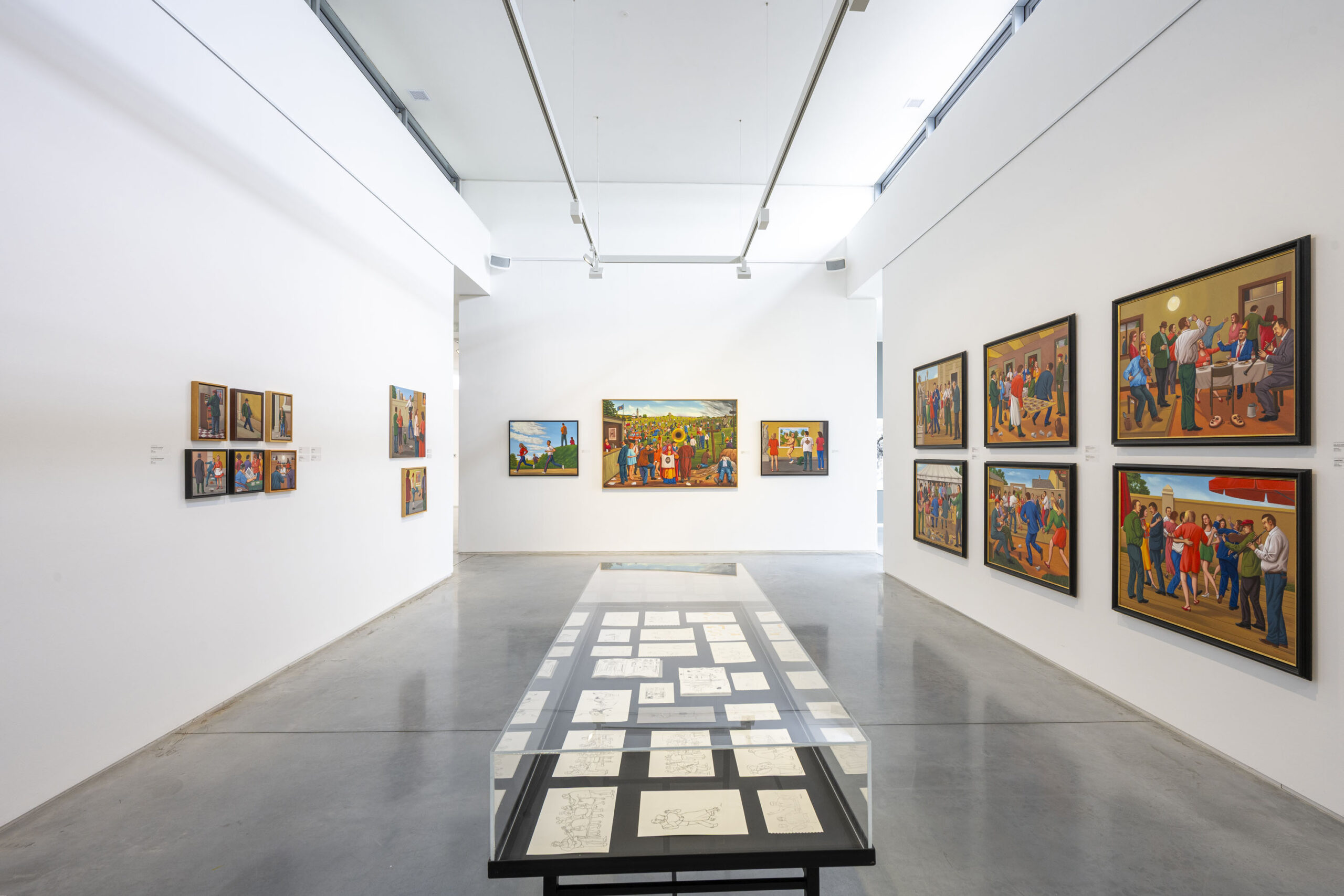
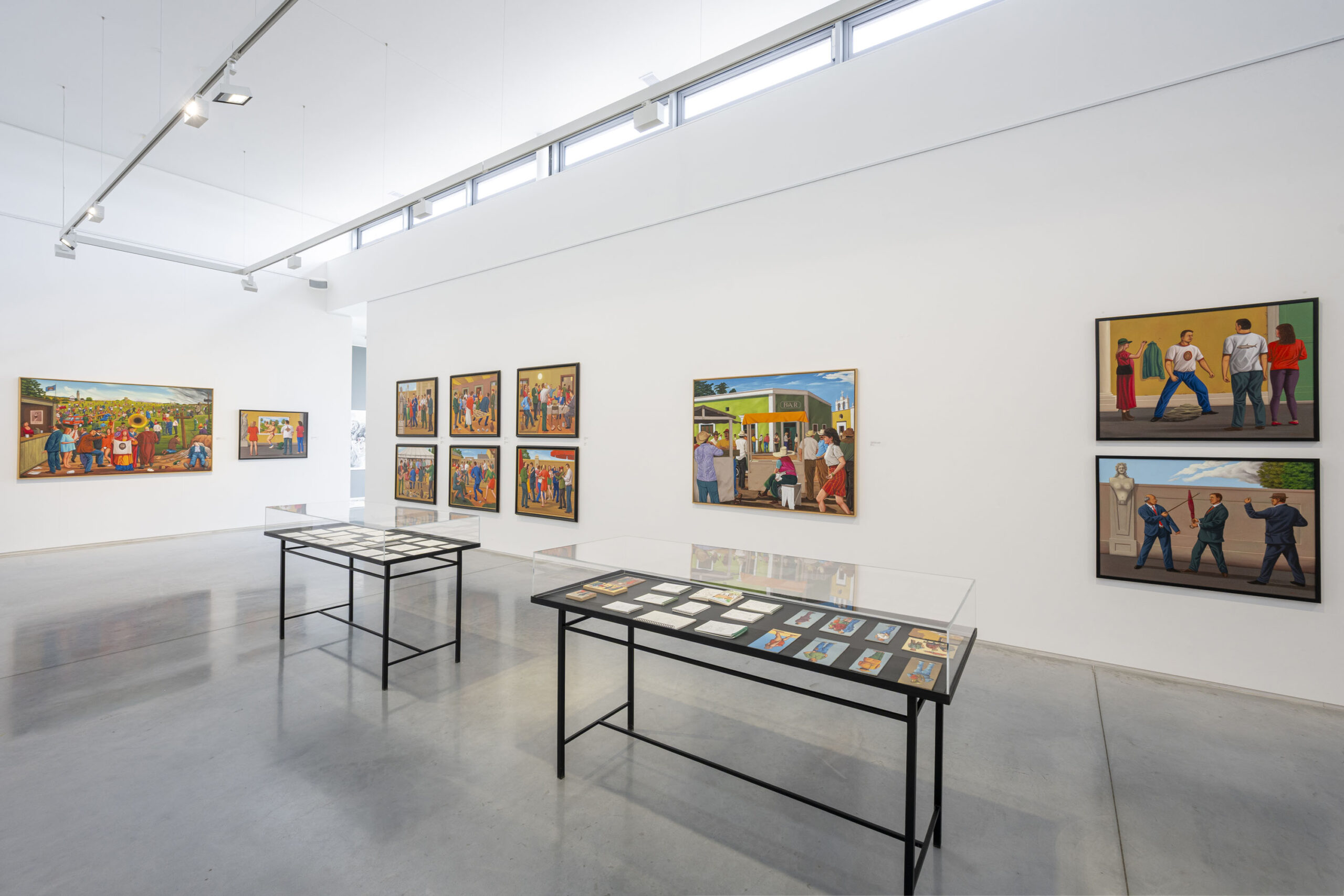
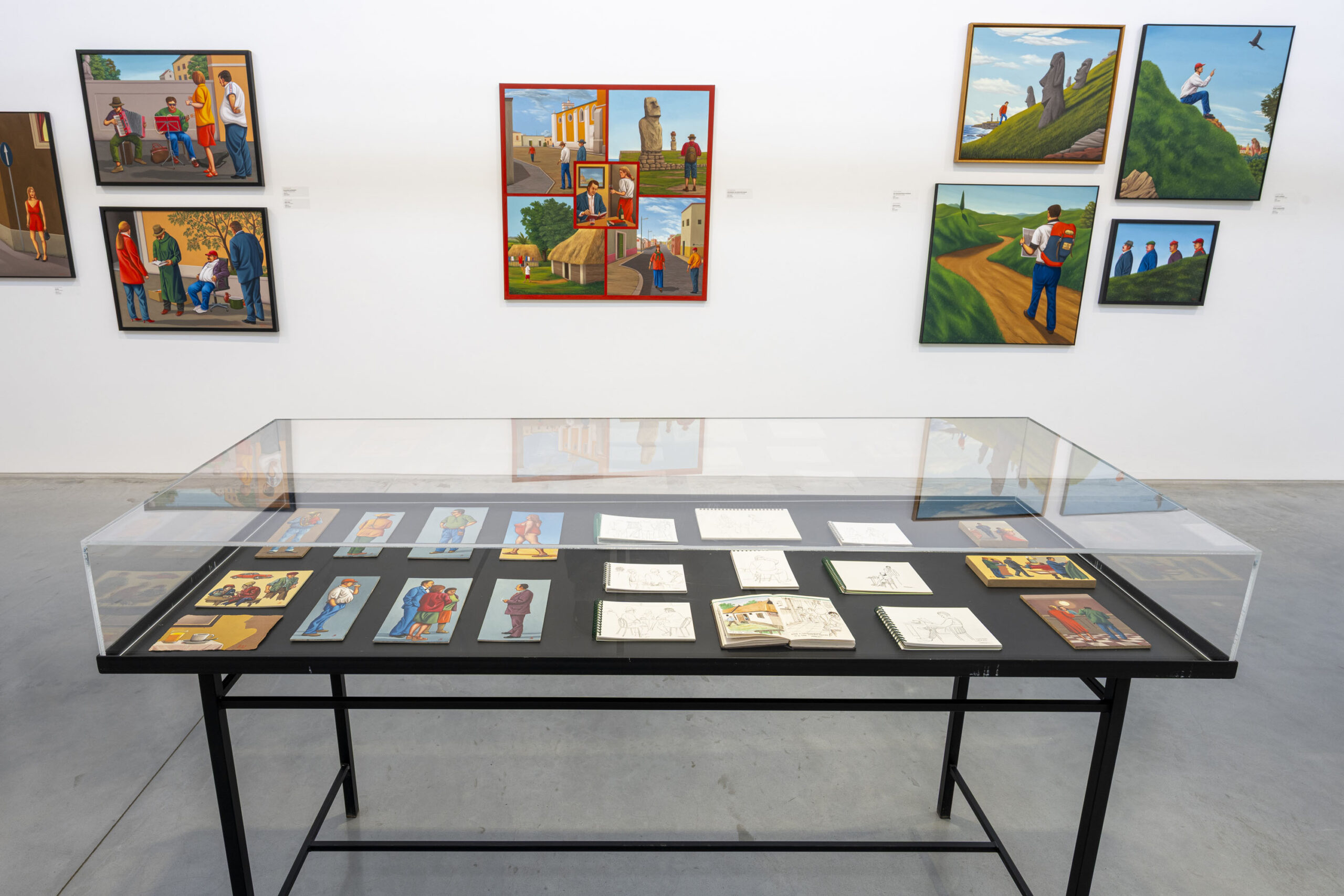
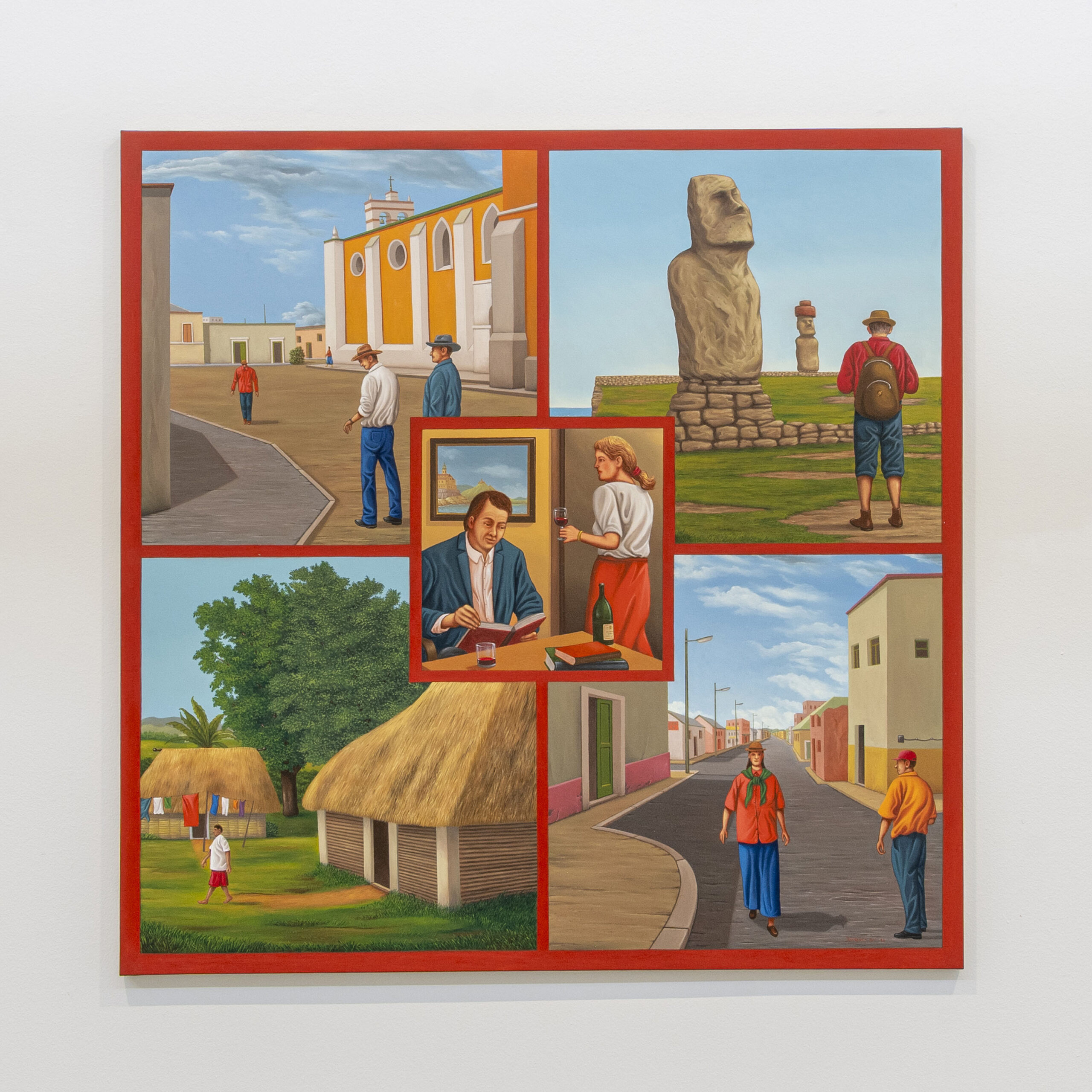
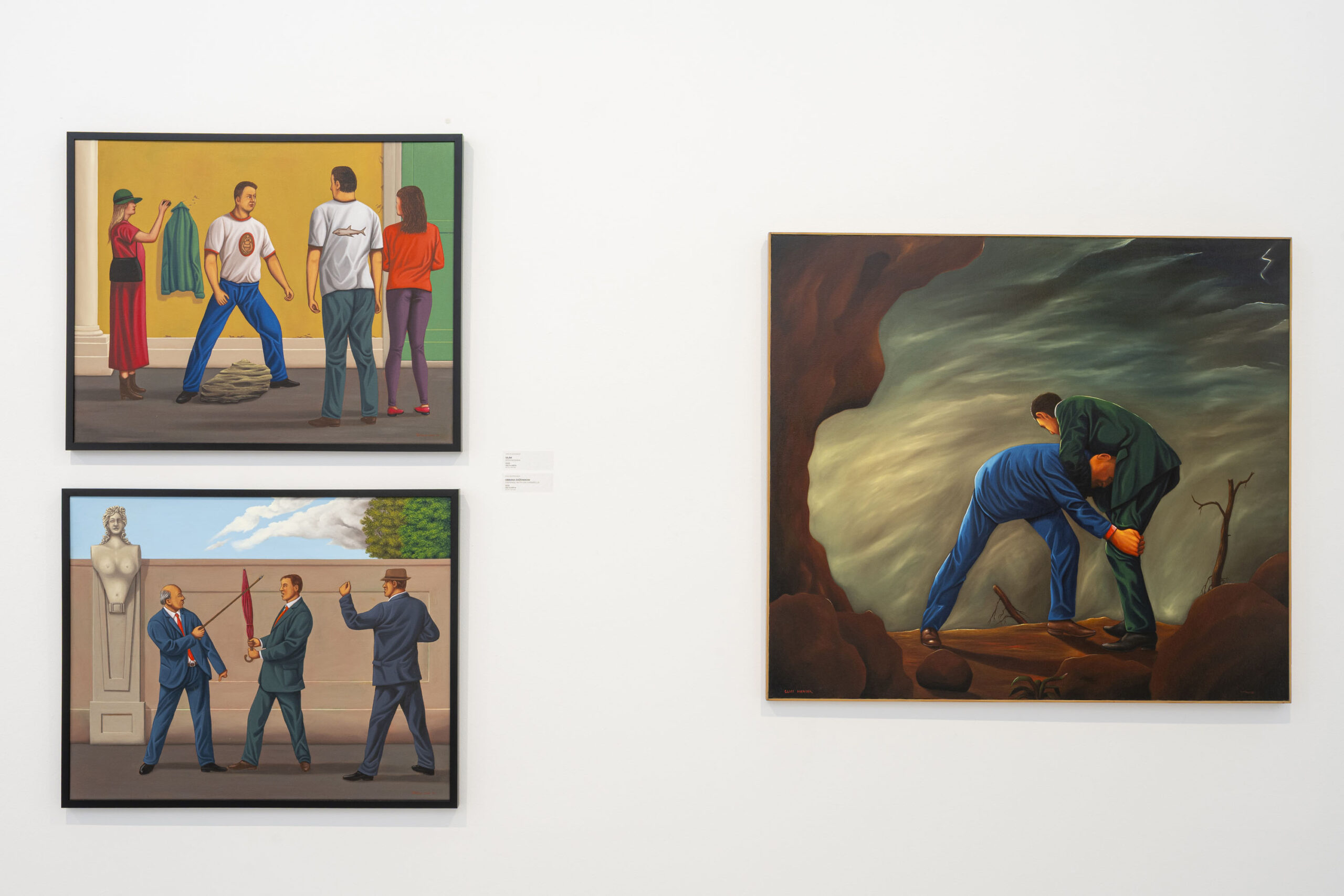
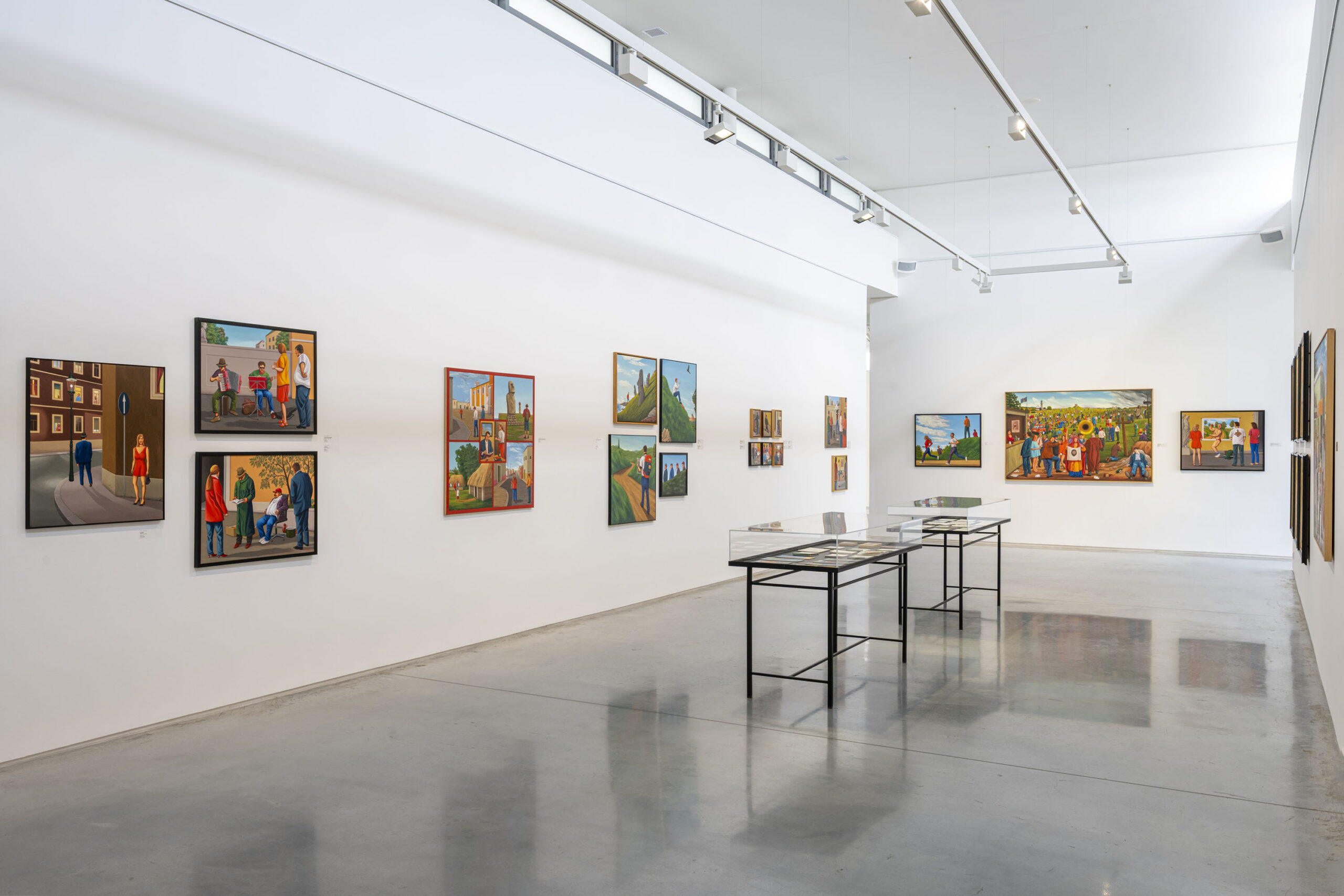
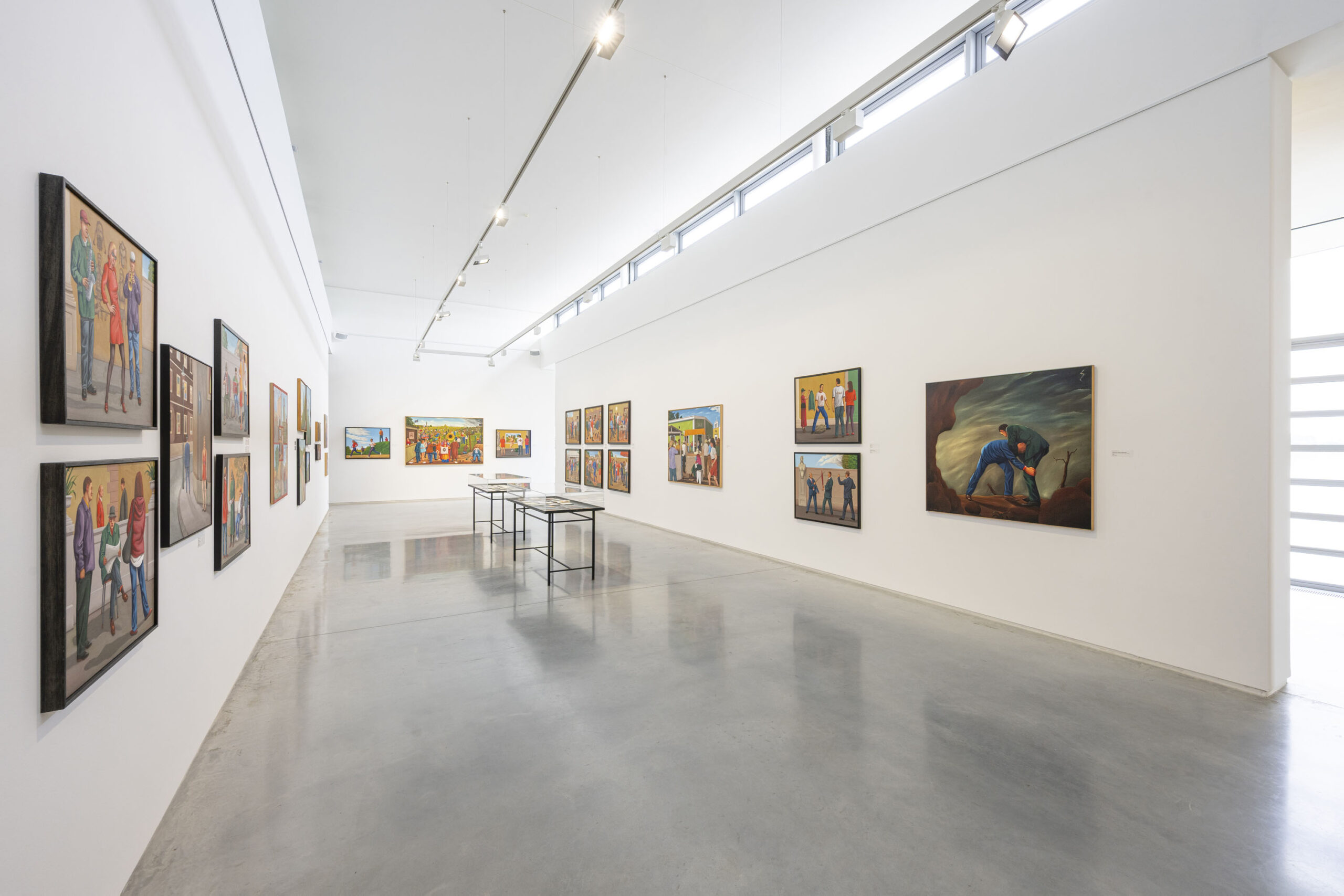
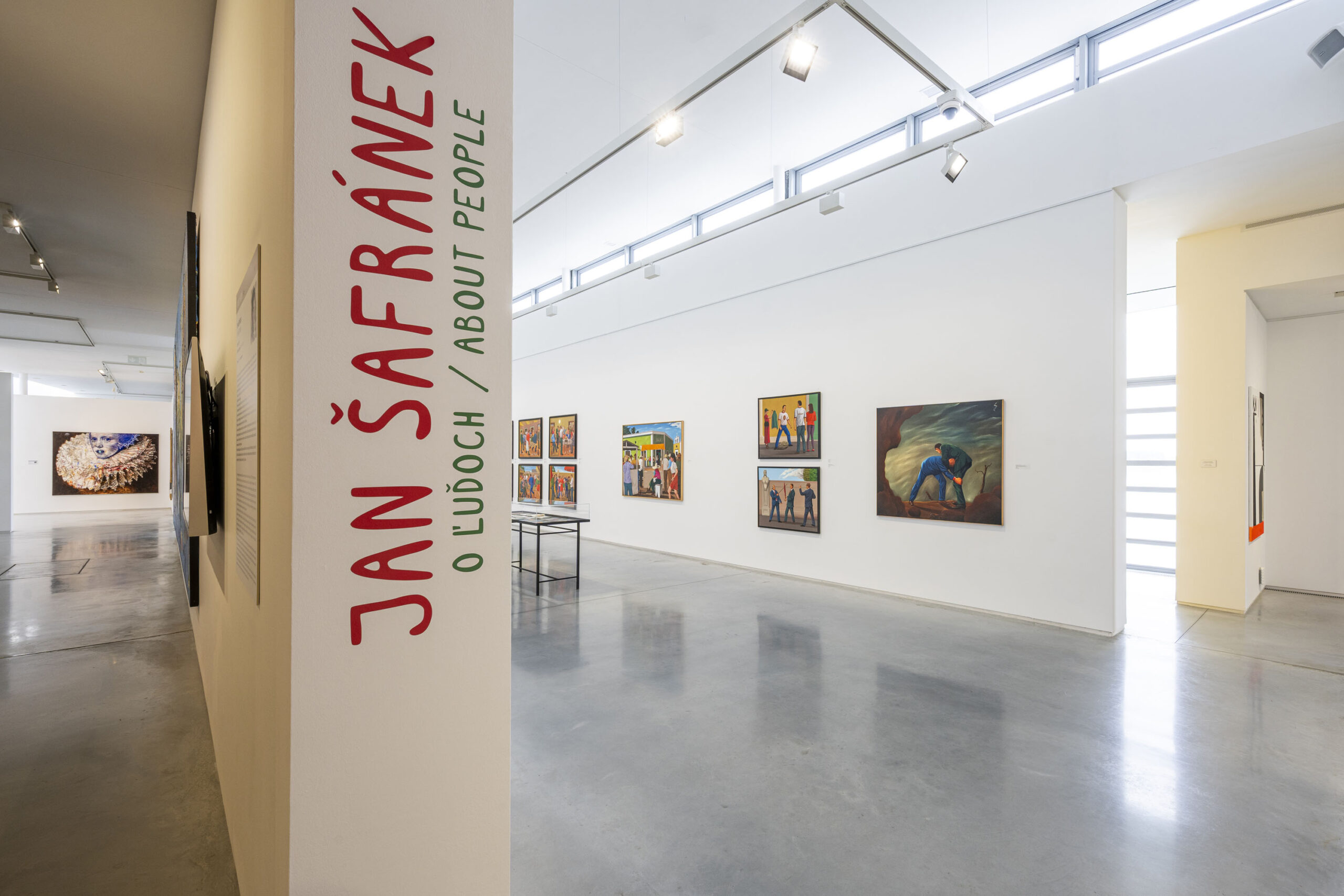
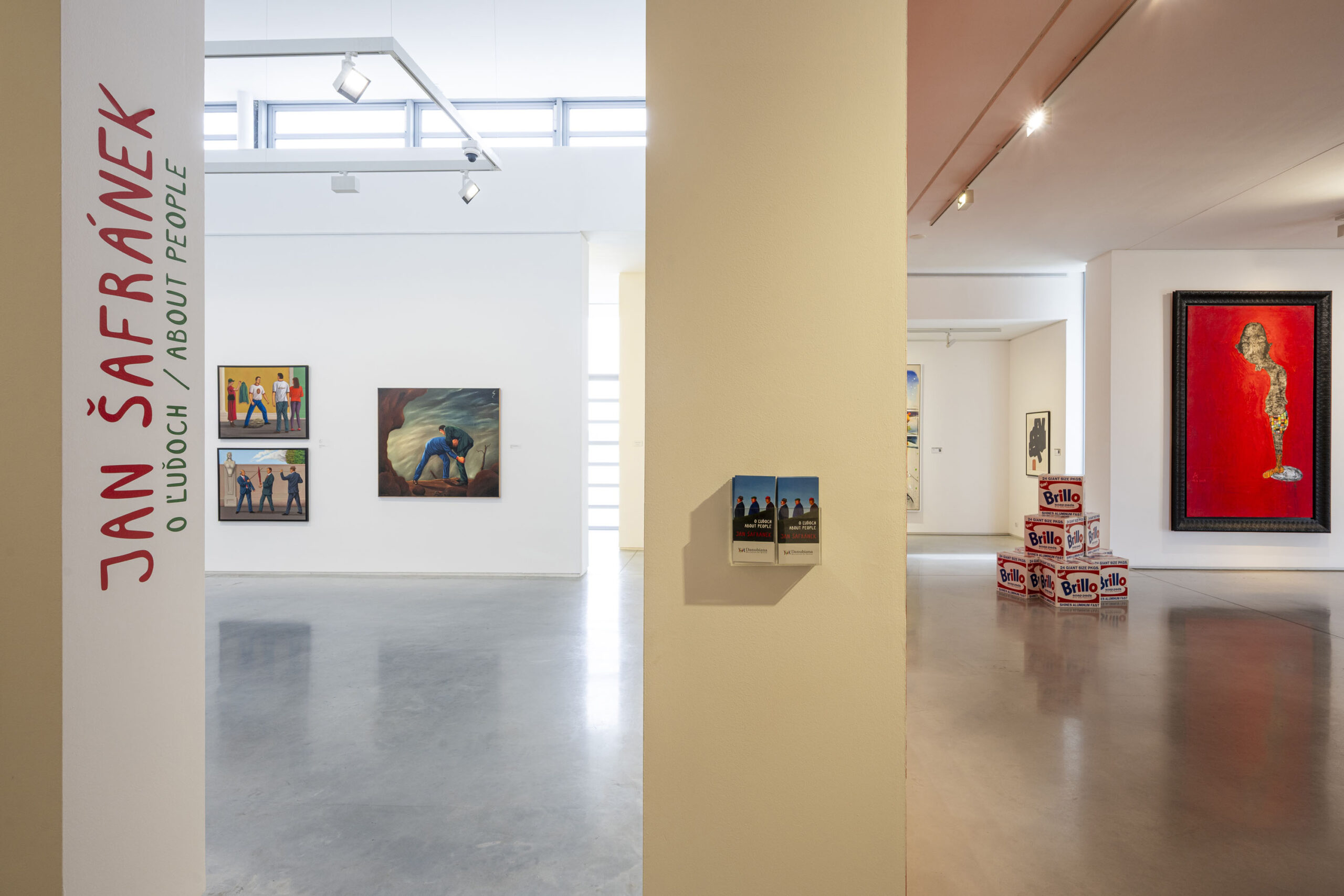
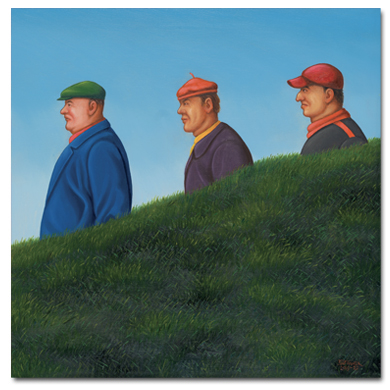
The exhibition About People offers a cross-section of the work of painter Jan Šafránek, a globetrotter and astute observer who captures the world through the lens of a precise, classical painting technique, bringing to it an exceptional and distinctive perspective. In his lively, carefully considered compositions, he tirelessly records moments of everyday life, from streets and markets to celebrations, cafés, bars and galleries. His paintings portray both ordinary and absurd situations with a gentle, compassionate irony that brings a smile to the viewer’s face and sparks the imagination.
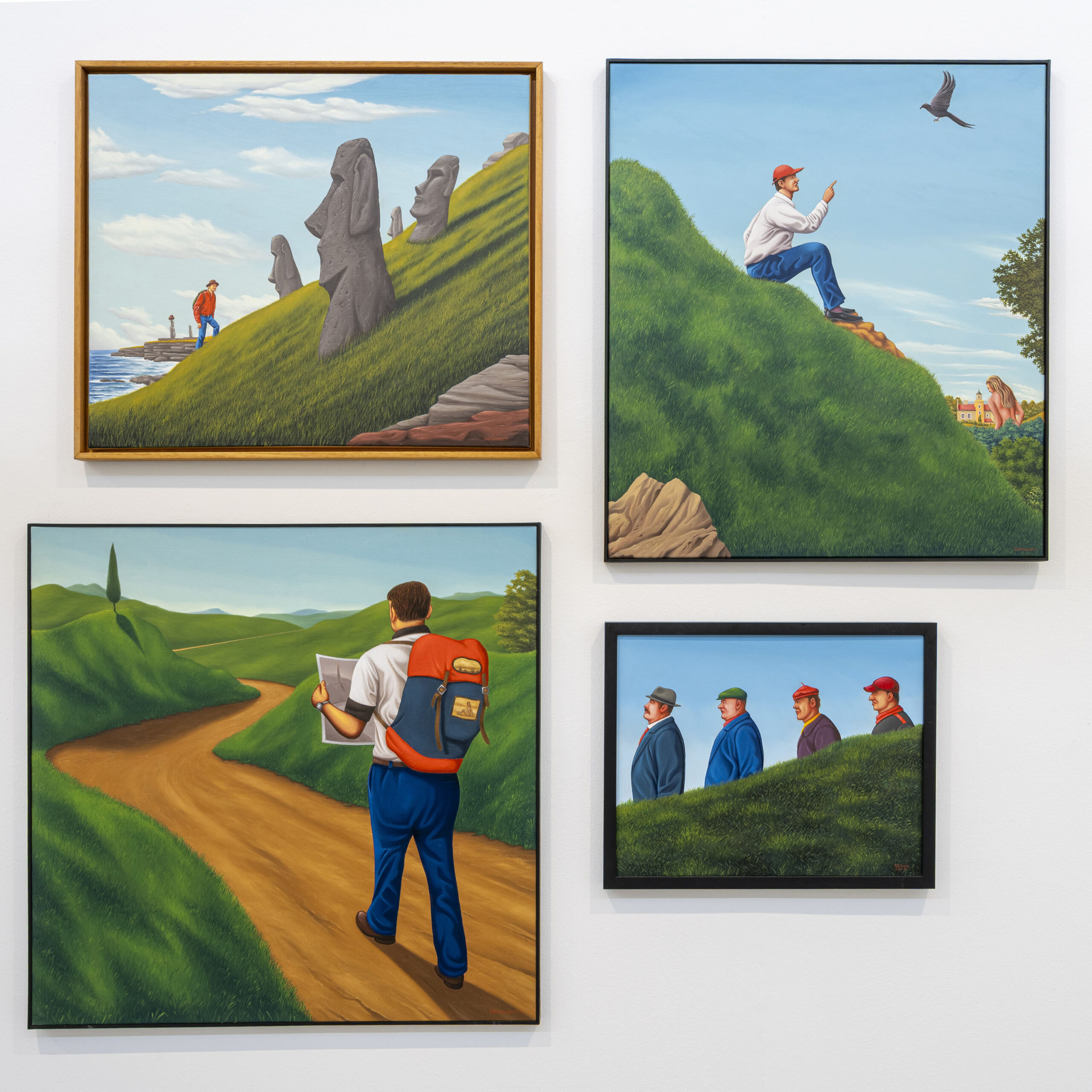
Šafránek’s painting style emerged fully mature as early as the 1960s, when, alongside painting cinema billboards, he mastered figurative painting with remarkable ease. In the 1970s, he was active on Prague’s alternative art scene, taking part in unofficial exhibitions and underground events. Signing Charter 77 marked a decisive turning point in his life, ultimately leading to his emigration—first to Austria and later to Australia. From there, he embarked on extensive journeys through Tasmania, New Zealand, the Pacific Islands and South America.
Now dividing his time between Prague and Vienna, the artist draws on his rich cosmopolitan experience in his work. Despite the many changes in his geographical surroundings and personal circumstances, his central subject remains the human being and their stories, always infused with Šafránek’s characteristic humour, empathy and wry perspective.
“If the Italian trio of the two Thomases and Filippo from the Brancacci Chapel were to come together in a single exhibition alongside the Flemish painter Bruegel, the South American Botero and the North American Edward Hopper, only one figure would be missing from this timeless elite to complete the group: the Viennese Czech Jan Šafránek.” These perceptive words were spoken by the uniquely discerning collector of Czech and international art, Lubomír Hromádka, when he and the equally distinguished connoisseur Jaroslav Kořán admired Šafránek’s first exhibition at Prague’s Galerie Gema thirty years ago. What they agreed upon then remains just as true today.
Tereza Petrželková